Fun, flexible, and highly marketable, the personal essay is an ideal way to extend our range and add to our writer’s toolbox.
For Nonfiction and Essay Writers
The personal essay is perhaps the oldest form of nonfiction prose yet remains one of the most misunderstood. This wonderfully flexible and creative form is as alive and inventive as the writer wishes it to be. More than memoir, but able to include elements of one’s own life experience, the essay remains an ideal vehicle for satisfying the human urge to not just live year to year, but to capture a bit of our relationship to the world.
What is an essay? Just this: the personal essayist takes a topic—virtually any topic under the big yellow sun—and holds it up to the bright light, turning it this way and that, upside and down, studying every perspective, fault, and reflection in an artful attempt to perceive something fresh and significant. But it is always an effort, a trial, an assay, not a lecture or diatribe. In the hands of contemporary practitioners such as Rebecca Solnit and Roxane Gay, the personal essay at its best is an idiosyncratic combination of the author’s discrete sensibilities and the endless possibilities of meaning and connection.
In this 90-minute course, noted essayist and editor Dinty W. Moore will guide you through examples of the myriad forms that an essay can take, will survey the infinite range of possible topics, and will leave you with useful prompts to help you determine your own essayistic opportunities.
Can’t make it live? No worries—a replay will be available to all registrants.
In this webinar, you will:
EXPLORE the myriad ways the essay fits into both literary and commercial publishing
DISCOVER how the flexibility of the personal essay form can help with “stuckness”
RECONSIDER The role of research (and how it can be more fun than chore)
LEARN how to find the best markets (literary magazines and beyond)
This webinar is ideal for writers at any level who
want to expand their skills and opportunities
are looking for new ideas and fresh topics
want to grasp the idea of “memoir-plus”
feel “stuck” writing their memoir
wouldn’t mind getting paid every once in a while
Closed captioning is available. ✔ All registrants receive the recording. ✔
ABOUT YOUR PRESENTER
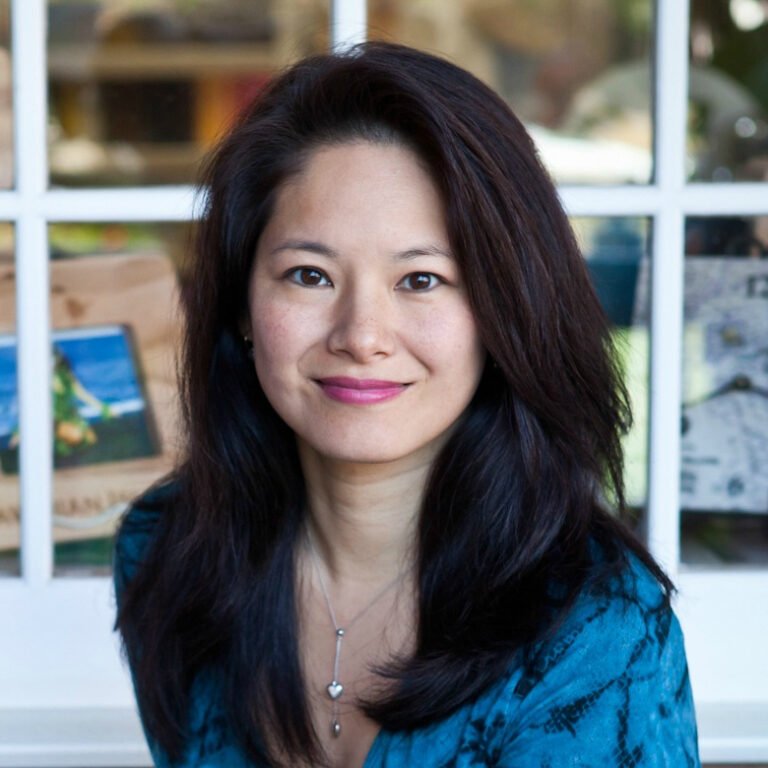
One of our most popular and beloved presenters, DINTY W. MOORE, is the author of the memoirs Between Panic & Desire and To Hell With It, and the writing guides Crafting the Personal Essay and The Mindful Writer, among other books. He has published essays and stories in Harper’s, The New York Times Magazine, Georgia Review, Kenyon Review, Southern Review, Short Reads, and elsewhere. He is founding editor of Brevity, the journal of flash nonfiction.
Questions? Please email Info@writingcraft.com
FULL REFUNDS ARE AVAILABLE before the replay is sent out. For a refund, EMAIL us at info@WritingCraft.com. Canceling your Zoom invite will not initiate this process.
You lived it. You wrote about it. Now, you want to adapt it.
For Memoir
Does your memoir have what it takes to be a film or TV series? Adaptation requires more than screenplay formatting. This class shows you how to evaluate your story like a producer, structure it like a screenwriter, and imagine yourself as a character an actor would want to play.
In this three-hour seminar, we move beyond personal reflection and examine memoir as dramatic source material. You’ll begin by clarifying what your story actually is: its scale, its genre, its central tension, and whether it is better suited to a feature film or television series format.
Next, we focus on the dramatic shift that drives adaptation. What is the disruption that alters the trajectory of the narrative? What decision, loss, or revelation creates forward motion? You’ll distinguish between interior point of view and visible action, identifying the turning points that can structure and sustain a film or series rather than simply recounting events.
Finally, we adopt a producer’s lens. What makes this story entertaining? What does it need to sustain the development process? What makes the central character strong enough to attract the talent that can help get it made?
Through focused exercises and real case studies—from big-budget movies to independent films and TV series—you’ll begin evaluating your memoir’s adaptation potential with clarity.
Attendees are invited to submit loglines, 250-word synopses, OR a single scene from the exercises in class for written feedback, up to 4 weeks after the session.
A resources handout with links and session slides will be available after the class.
In this insightful three-hour live seminar, you will:
CLARIFY the scope, genre, and central tension of your memoir as potential screen material
DETERMINE whether your story is better suited to a feature film or a television series
IDENTIFY the pivotal disruption in your memoir and distinguish between internal point of view and the dramatic action required for film & TV
EVALUATE your memoir through a producer’s lens, assessing entertainment value, character strength, and development potential
ANALYZE case studies of major studio and independent adaptations to understand how true stories are reshaped for the screen
SUBMIT a logline, 250-word synopsis, OR short adaptation exercise for written feedback following the seminar
This course is ideal for…
memoirists who want to unlock the cinematic potential of their manuscript
writers ready to evaluate their book’s marketability through a producer’s lens
authors who want to translate true stories from source material to screen
screenwriters interested in adapting memoir and nonfiction projects
Closed captioning is available. ✔ Think you might miss class? No worries, replay will be available 3 business days after the event. ✔
ABOUT YOUR Instructor
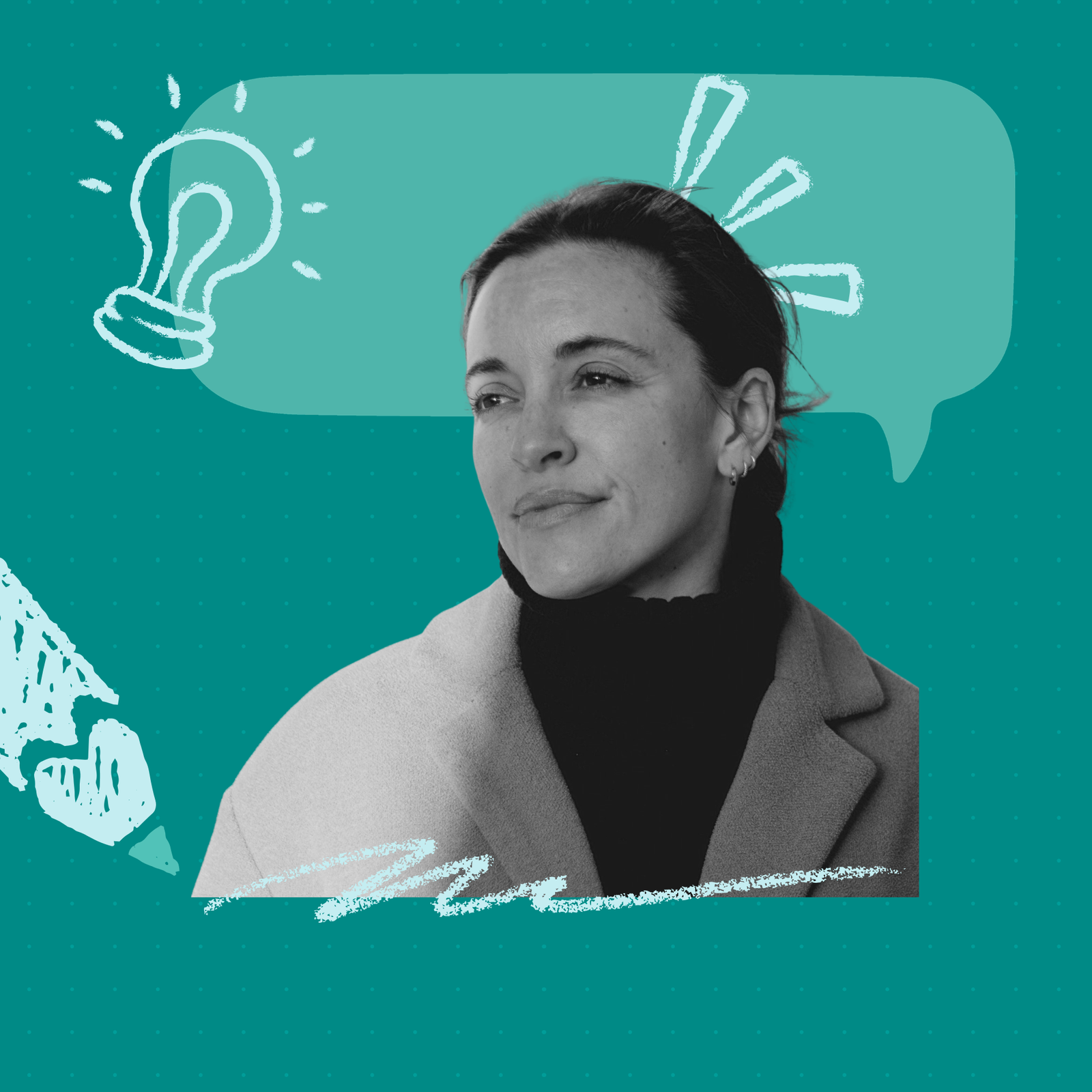
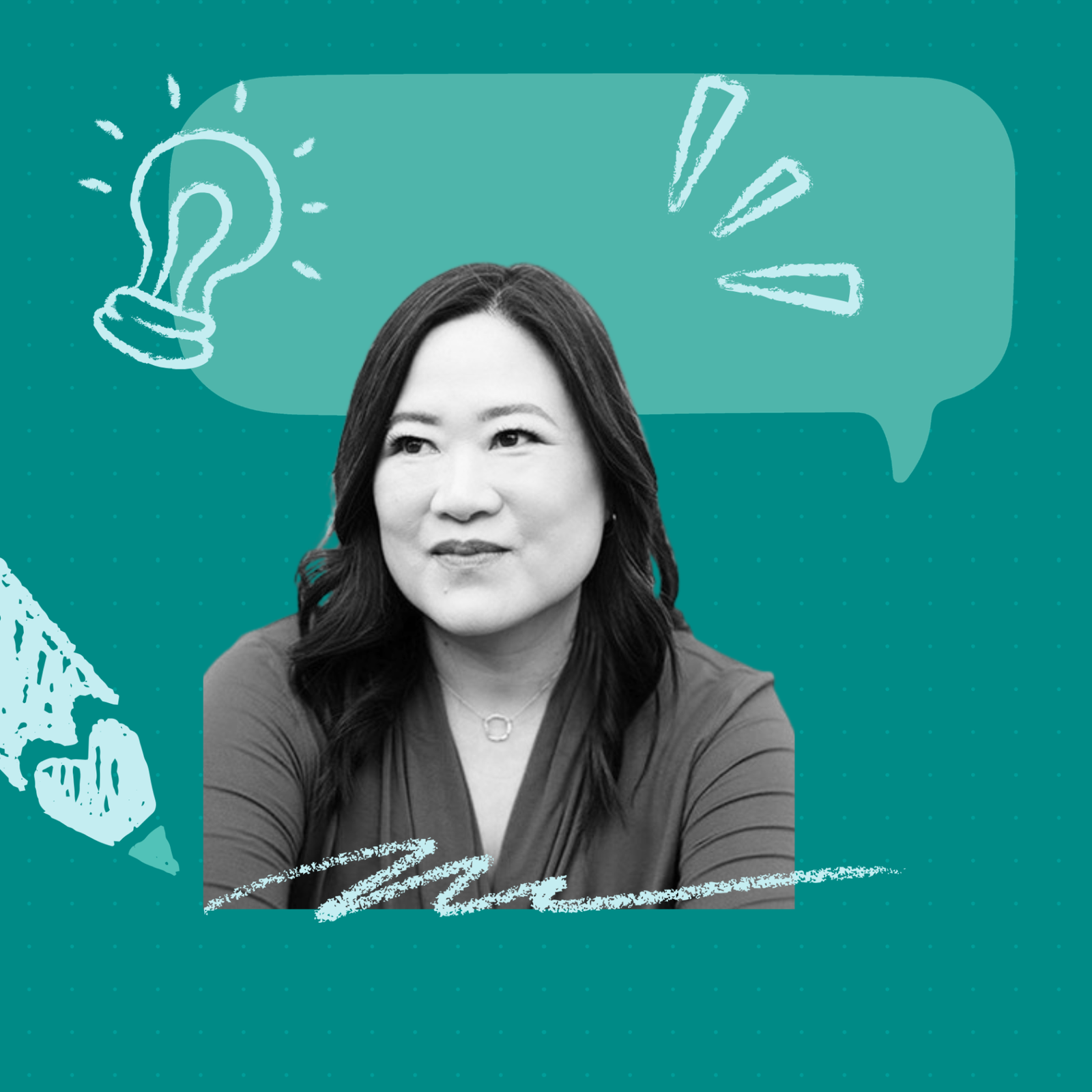
Michelle Cutleris an award-winning screenwriter, storytelling coach, and developmental editor specializing in true stories and memoir, as well as an enthusiastic and collaborative teacher. She has worked with Academy Award–winning producers and directors, and her original and adapted screenplays have been optioned and developed by major studios and featured at international film markets.
She has written more than 1,700 advertising campaigns for global brands and worked as a script analyst for agencies and production companies. She previously served as a judge for the Independent Spirit Awards and as North American Curator for the Chinese Women’s Film Festival. She holds an MFA in film from NYU and a diploma in advanced creative writing nonfiction from Cambridge. She is currently writing I WON’T LET YOU DIE ALONE, a reported memoir from the trenches of modern elder caregiving.
Student Testimonials
“Consulting with Michelle on my memoir’s adaptation has been transformative. She brought fresh ideas and a professional perspective I never would have had on my own, while always honoring what my story was truly about at its core.” – Elizabeth Austin
“I participated in a highly informative seminar about adaptation with Michelle, where she discussed how books gain the attention of media-makers. She is very knowledgeable and generous with her time personally, as well.”- Christina Adams
“Michelle’s professionalism, knowledge, and humor made this workshop engaging and insightful. Her attention to detail and the case studies she shared made the adaptation process clear. I would highly recommend this class for anyone working on a memoir project.” – Grace Koo
“Working with Michelle on adapting my father’s story was an exceptional experience. Her care, thoughtfulness, and thoroughness were evident at every step. I highly recommend her for anyone seeking honest, creative storytelling techniques for true story adaptations.”– Patrick Boyd
THE FINE PRINT
We understand that life can get in the way of your plans. We want you to be able to get the most out of your course, and our refund policy is designed to balance your need for flexibility with our deadlines and obligations to our teachers.
Before the class, you may request a full refund.
Please keep in mind that no refunds or credits will be issued after class begins.
Flash nonfiction is a powerful form for personal stories. Learn how to write punchy, poetic flash essays that make a lasting impact on readers.
Regular tickets are sold out, but seats without instructor feedback are still available.
For Creative Nonfiction, Flash Nonfiction, Literary Nonfiction
Live On Zoom | Thursdays, April 23 – May 7, 2026 | 7-9 pm eastern
Flash nonfiction is the art of telling true stories from one’s life with power and brevity (in 1,000 words or less). During this three-week generative workshop, participants will learn the craft of writing flash nonfiction narratives, write new drafts, and receive feedback to practice what they’re learning.
Together, we’ll explore examples of expertly crafted flash nonfiction narratives and define what makes them effective. You’ll learn how to make your personal stories connect with readers by using theme and plot, compression and layering, and images and lyricism. Discover what editors look for when selecting flash nonfiction pieces for publication, and write your own powerful pieces.
This course will include readings, writing prompts, in-class writing time, writing homework, and Q&A. You’ll receive instructor feedback on two flash-length narratives.
Over these three weeks, you will …
EXPLORE the key elements of flash nonfiction and how they work together to create powerful essays
LEARN to create emotional resonance so that readers will be thinking about your piece long after they read it
EXPLORE tips for writing engaging and powerful flash nonfiction that literary magazine editors will love
DISCOVER how to use compression, layering, and lyricism to make each sentence pop
WRITE flash nonfiction that’s powerful, punchy, personal, and poetic
Schedule
Week 1. Make it Powerful: Theme, Plot, & Research
Week 2. Make it Personal: Voice, Vulnerability & Emotional Intensity
Week 3. Make it Punchy: Compression, Lyricism, & Form
This course is for intermediate writers who
Want to generate new flash nonfiction work
Want their flash nonfiction pieces to grab the attention of editors and readers
Want to write more powerfully when writing short
Seek to increase the impact of their prose
Hope to publish flash nonfiction pieces in literary magazines
Closed captioning is available. ✔ Think you might miss a class? No worries, replays will be available. ✔
ABOUT YOUR INSTRUCTOR
Bethany Jarmul is an Appalachian writer, poet, writing coach, and workshop instructor. She’s the author of a poetry collection, Lightning Is a Mother, and a mini-memoir of flash nonfiction pieces, Take Me Home. Her work has been published in more than 100 literary magazines, including Brevity, River Teeth, and Chestnut Review. Her writing was selected for Best Spiritual Literature and Best Small Fictions, and nominated for the Pushcart Prize, The Best of the Net, and Best Microfiction. Twice, she earned first place in Women On Writing’s quarterly flash essay contest. Connect with her at bethanyjarmul.com or on social media: @BethanyJarmul.
Testimonials from past students:
“I love taking webinars taught by Bethany Jarmul and always get so much out of them. Bethany has a strong record of publication success and is skilled at sharing her techniques. In her webinars, which are both affordable and easy to sign up for, Bethany provides a huge amount of valuable information and writing strategies in clear, concise, easy-to-follow presentations.” – Beth Mulcahy
“Bethany’s workshops are helpful, worthwhile, and enjoyable. She is well organized and her workshops include step-by-step, actionable strategies that help writers take their craft to another level. The techniques I learned in her workshops helped to generate more writing in different genres and improved the quality of my writing overall. I’m always happy to attend one of her classes.” – Angelle McDougall
“Bethany is prepared, specific, and encourages questions. I’ve attended several of her webinars, even in a genre I don’t normally work in, and found myself stretching into this new area. Highly recommend her work and her webinars.” – Mare Biddle
“Bethany is a wonderful presenter. So grateful for how generous she was with examples, her own writing, suggestions for submissions, suggestions for continued diving into the craft…all in.” – Robin Perry
“Bethany is a wonderful presenter, speaks clearly and with enthusiasm. VERY present.” – Winnie Ganshaw
THE FINE PRINT
We understand that life can get in the way of your plans. We want you to be able to get the most out of your course, and our refund policy is designed to balance your need for flexibility with our deadlines and obligations to our teachers.
Before the first class, you may request a refund (less a $25 processing fee).
After class begins, you may request a refund for the remaining value of the course (less a $25 processing fee).
No credits or refunds will be available after the 1st class.
Learn to deliver the pitch that will sell your book–and how to build the platform you need to support that pitch.
BONUS Writers Bridge episodes March 10th and April 21st. All sessions Tuesdays from 1-2PM Eastern. LIVE ONLY NO RECORDING NO REPLAYS.
Getting your book to the shelves means talking about it–clearly, concisely, and in a way that builds excitement and anticipation. And talking about your platform is part of that pitch.
Practice pitching YOUR book to Literary Agent Jessica Berg and editor Allison K Williams. We’ll give you frank, useful feedback about your pitch–is it selling your book, and why or why not?
Then, dive deeper. Tell us your platform (or the one you’re thinking about building) and we’ll share our best tips and tools to find your audience and reach them. And if you don’t know yet? We’ll brainstorm it with you, right now.
All live attendees will receive a follow-up email with recommended tools and highlights from the session.
Literary Agent Jessica Berg has heard thousands of pitches, and helped the authors she represents shape their platform and refine their pitch to attract publishing deals, plan their marketing, and ultimately reach readers.
Cohost Allison K Williams has shepherded writers through live and virtual pitch events, and helped them get comfortable talking about themselves and their books with top agents in New York and London. She’s pitched a fair few books herself and learned some surprising new elements of her own platform for 2026.
Join us live and FREE on Zoom, all welcome!
Your Hosts
Jessica Berg is a literary agent, author, and the founder of Rosecliff Literary. She loves stories that explore grief, longing, ambition, and survival and the complicated ways they intersect.
She earned her MFA from Spalding University and contributes regularly to Writer’s Digest. Jessica serves on the boards of the Women’s National Book Association and the Historical Novel Society, and teaches nationally on querying, comp titles, and the business of authorship, with a focus on building sustainable, long-term writing careers. Her client list includes Vincent Zandri, Lisa Roe, Arizona Bell, and others..
Allison K Williams has edited and coached authors to publishing deals with Penguin Random House, Knopf, Mantle, St. Martin’s Press, and numerous small presses. She’s the author of Seven Drafts: Self-Edit Like a Pro from Blank Page to Book, and an expert in author marketing and community building. Her own writing has also appeared in the New York Times, Travelers’ Tales and Writers Digest and her performed stories on The Moth, NPR and CBC-Canada. She leads the Rebirth Your Book writing retreats and co-hosts The Writers Bridge.
How can you build a multi-audience platform around one vision?
Discover how building your own audience springs from commitment to what YOU want to write.
Sari Botton publishes Oldster Magazine, Memoir Land and Adventures in Journalism to an enormous audience of Substack and email subscribers, social media admirers, and live event attendees. Over a long career from journalist to magazine publisher, she’s interviewed notable writers and, through Oldster Magazine, explores what it means to travel through time in a human body at every phase of life.
She’s created an ecosystem of complementary publications, featuring her own writing, guest essays, interviews and more–and they all lead back to her vision of intergenerational communication and just plain good writing.
We’ll talk about how Sari’s work has evolved over her career while staying true to her vision, how to make a living by creating what you care about, and finding the audience that cares, too.
Join us TUESDAY February 24th at 1PM EASTERN – live and FREE on Zoom, all welcome!
Our special guest
Sari Botton‘s memoir in essays, And You May Find Yourself…Confessions of a Late-Blooming Gen-X Weirdo, was chosen by Poets & Writers magazine for the 2022 edition of its annual “5 Over 50” feature. An essay from it received notable mention in The Best American Essays 2023, edited by Vivian Gornick. For five years, she was the Essays Editor at Longreads. She edited the bestselling anthologies __Goodbye to All That: Writers on Loving and Leaving NewYork __and Never Can Say Goodbye: Writers on Their Unshakable Love for New York. She publishes Oldster Magazine, Memoir Land, and Adventures in Journalism. She was the Writer in Residence in the creative writing department at SUNY New Paltz for Spring, 2023.
Join your hosts Allison K Williams (SEVEN DRAFTS), Sharla Yates (CRAFT TALKS) and our special guest for this lively, funny hour of frank talk about publishing, platform, and always following your mission.
FREE, all welcome! Sign up to receive the Zoom link the day before.
Closed captioning is available. ✔ All registrants receive the recording. ✔
ABOUT YOUR PRESENTERS
Allison K Williams has edited and coached authors to publishing deals with Penguin Random House, Knopf, Mantle, St. Martin’s Press, and numerous small presses. An expert in author marketing and community building, her platform includes the Brevity Blog (80k+ followers), Instagram (10k+), a mailing list (12k+), and Facebook (5k+), with publications in the New York Times and appearances on NPR and CBC. Her book, Seven Drafts: Self-Edit Like a Pro from Blank Page to Book, sold on proposal. She leads the Rebirth Your Book writing retreats and co-hosts The Writers Bridge.
Sharla Yates is the author of the poetry chapbook What I Would Say if We Were to Drown Tonight, published by Stranded Oak Press (2017). She hosts a webinar series, CRAFT TALKS for writers on writing, and co-hosts The Writers Bridge with Allison K Williams. Her nonfiction essay, “Address” was a finalist for the 2015 Columbia Journal writing contest and the 2016 Penelope Niven Creative Nonfiction Award. She is the former Director of Education at the Creative Nonfiction Foundation and teaches creative writing at the University of Pittsburgh.
Traditional publishing is already competitive. Stop self-sabotaging and get your best work out there.
For Long-Form Narrative (Fiction and Memoir)
Is traditional publishing your goal? One of the best ways to get there is by securing literary agent representation. Except, after countless hours of writing and editing your book, it’s daunting to research agents, write a query, and sum up your book in a quick pitch. But relax—it’s not out of reach. You just need some help. This webinar will help put your best foot forward before hitting SEND.
Let’s get organized! In this info-packed session, we’ll cover all the necessary materials: the query letter and its essential components, the author bio, elevator pitch, synopsis, and manuscript formatting. We’ll discuss the process, submission guidelines, and how to avoid common faux pas, using both DO and DON’T examples.
At the end of this webinar, you’ll have everything you need—and zero excuses not to query!
Can’t make it live? No worries—a replay will be available to all registrants.
In this webinar, you will:
LEARN the materials you need to pitch and query
ELIMINATE embarrassing rookie mistakes
UNDERSTAND the three essential components of a query letter
FIND online tools to help with submission
APPRECIATE the accepted norms and rules
INCORPORATE best practices in your querying
This webinar is best for writers with a completed (or nearly complete) manuscript who
want the traditional publishing route
are overwhelmed by the process
don’t know what they do and don’t need
could use some confidence
OR
are pretty sure they know what they’re doing, but want a gut check before diving in
Closed captioning is available. ✔ All registrants receive the recording. ✔
ABOUT YOUR PRESENTER
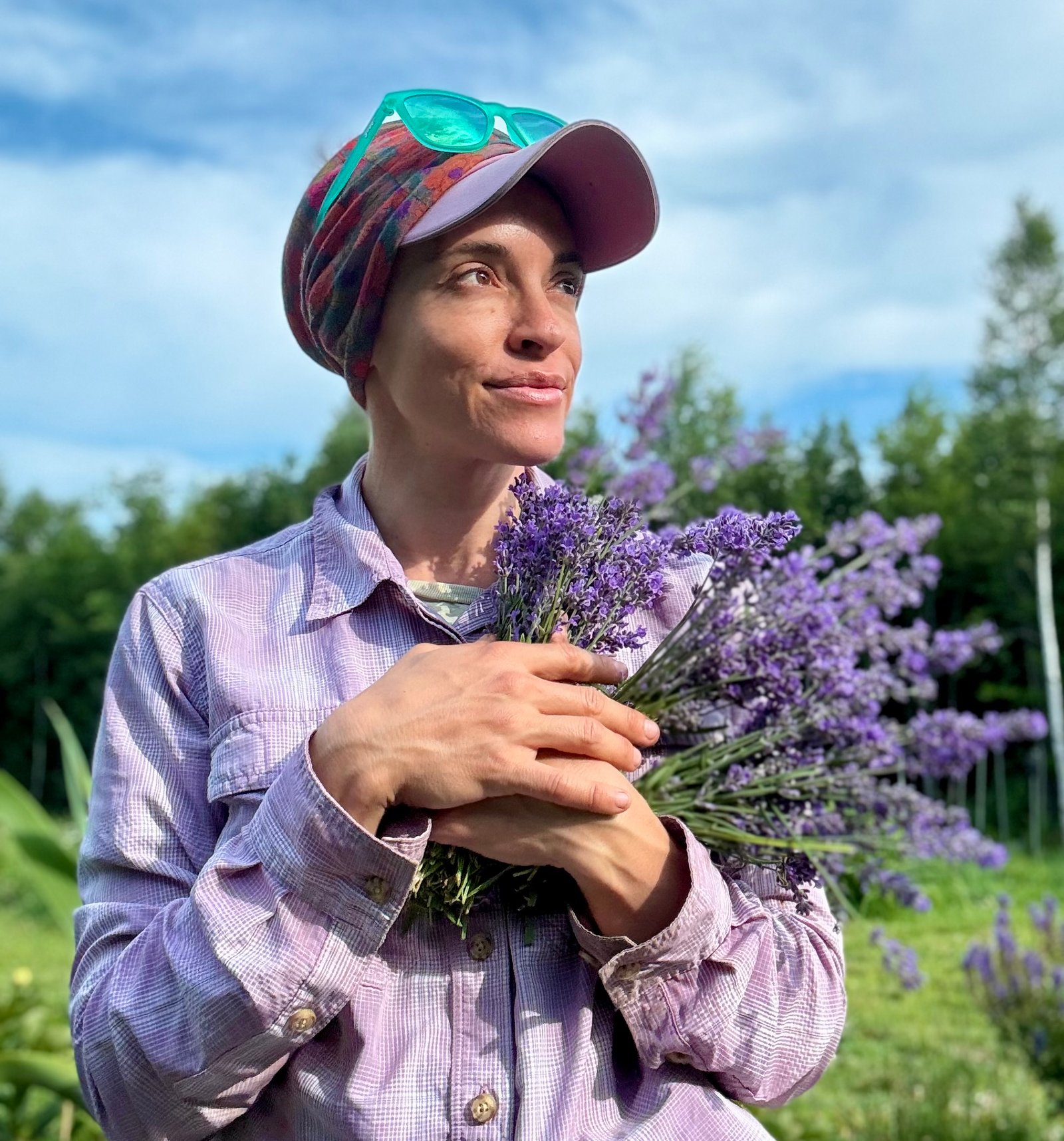
Kristin Owens, PhD is an award-winning educator and writer living in sticky southwest Florida. She’s a contributor to Writer’s Digest, 5280, and Wine Enthusiast. Her debut novel, ELIZABETH SAILS, was shortlisted for the 2025 Gilda Prize and Killer Nashville’s Award for Best Cozy. With her background in university instruction, she takes complex subjects and breaks them down into entertaining bite-sized pieces. Her buoyant, high-energy presentations motivate writers to stick with it. She can usually be found (playing and working) onboard a cruise ship.
Questions? Please email Info@writingcraft.com
FULL REFUNDS ARE AVAILABLE before the replay is sent out. For a refund, EMAIL us at info@WritingCraft.com. Canceling your Zoom invite will not initiate this process.
A great memoir isn’t just about remembering your life—it’s about shaping your story for the page.
For Memoir Writers
Whether you’re just starting your memoir, stuck in the middle, or looking to refine an existing draft, in this webinar you’ll learn actionable strategies for crafting a narrative that captures readers from the very first sentence.
Discover how to find your voice, get tips for structuring your story for maximum impact, and learn how—and when—to sidestep common mistakes that can weaken your memoir. By the end of the session, you’ll have a toolkit of strategies to write with confidence, precision, and authenticity.
Beyond crafting an engaging narrative, this webinar also addresses what makes a memoir publishable. Make your story stand out so you can grab an editor’s attention—and keep your reader reading.
Write a memoir that matters. From refining your voice to avoiding common mistakes and capturing readers’ attention, this course gives you the tools to move from memory to a polished, publishable story.
Can’t make it live? No worries—a replay will be available to all registrants.
In this webinar, you will:
SHAPE lived experience into story by using narrative craft—scene, structure, tension, and momentum
DEVELOP a credible, compelling voice that sounds like you on the page, not a performance of yourself
WORK with memory as material—accessing it, questioning it, and shaping it responsibly on the page
DESIGN titles that carry weight—that suggest depth, tension, and literary authority without explaining too much
HOOK readers fast with openings that signal stakes, urgency, and control
IDENTIFY and avoid common memoir pitfalls—moves that signal inexperience and turn away readers
TRANSFORM memory into narrative using the essential tools of memoir craft
CLAIM and REFINE your voice so the work feels grounded, intimate, and intentional
This webinar is perfect for…
writers new to memoir who want practical craft tools for shaping personal experience into publishable work
fiction or poetry writers crossing into memoir who already have a strong voice but want guidance on memory, structure, and narrative control
intermediate memoirists who have drafts in progress and need revision strategies that work
writers aiming for publication in literary magazines or with book-length ambitions
authors who want to understand what editors respond to—and what turns them off
Closed captioning is available. ✔ All registrants receive the recording. ✔
ABOUT YOUR PRESENTER
Dr. Heather Sellers is the author of You Don’t Look Like Anyone I Know, a popular memoir about family and face blindness. An O Oprah Book-of-the-Month Club selection and Editor’s Choice at the New York Times Book Review, the award-winning book was featured on NPR’s All Things Considered, Dick Gordon’s The Story, and Dateline, The Today Show, and Good Morning America with George Stephanopolis. Her essays appear in The New York Times, The Sun, Reader’s Digest, Good Housekeeping, The Best American Essays, and numerous journals and anthologies. She is the author of four books on the craft of writing, including The Practice of Creative Writing.
Her fifth collection of poetry is coming out in June: Women in Tampa Talking About Alligators.
Heather has been teaching for over 30 years. Currently she is a member of the MFA faculty at the University of South Florida, where she won the university’s highest teaching award. She also offers in-person workshops and private lessons for writers at all levels.
Questions? Please email Info@writingcraft.com
FULL REFUNDS ARE AVAILABLE before the replay is sent out. For a refund, EMAIL us at info@WritingCraft.com. Canceling your Zoom invite will not initiate this process.
What to include, what to show, and what to summarize? This class teaches you exactly when to show, when to tell, and how to make every moment count.
For Fiction and Memoir
Struggling to know when to slow your story down—or when to speed it up? Unsure what belongs and what to leave out? We’ll dive into your two core storytelling tools—scene and summary—and explore how they work together to make your writing rich, compelling, and memorable.
You’ll learn how to use scene intentionally to shape pacing and flow, and discover the four types of summary, with best practices for placement and timing. By the end of the workshop, you’ll know how to deploy these techniques in concert, crafting sequences that keep readers hooked from start to finish.
This seminar gives you clear, practical strategies for deciding exactly when to show, when to tell, and how to make every moment count. Whether you’re polishing a memoir, starting a novel, or shaping any narrative, you’ll leave with actionable strategies to create stories built from scenes and summaries that truly rivet readers.
In this insightful three-hour live seminar, you will:
MASTER pacing to control the speed and rhythm of your story
WEAVE scenes and summaries seamlessly for maximum impact
IDENTIFY AND USE the four types of summary effectively
BREAK DOWN the parts of a scene to understand what makes it work
DEEPEN your story and increase emotional resonance with pacing
CONSTRUCT strong, compelling scenes that draw readers in
This course is ideal for…
writers who want to turn various scenes into a story that clicks
memoirists struggling to condense life into compelling moments
novelists who know their plot but need sharper scene structure
storytellers who want readers to fall deeply into the story
anyone tired of “too much info” and craving clarity and impact
new writers looking to master the art of what to leave in—and what to cut
experienced writers who want their stories to land emotionally
Closed captioning is available. ✔ Think you might miss class? No worries, replays will be available 3 business days after the event. ✔
ABOUT YOUR Instructor
Dr. Heather Sellers is the author of You Don’t Look Like Anyone I Know, a popular memoir about family and face blindness. An O Oprah Book-of-the-Month Club selection and Editor’s Choice at the New York Times Book Review, the award-winning book was featured on NPR’s All Things Considered, Dick Gordon’s The Story, and Dateline, The Today Show, and Good Morning America with George Stephanopolis. Her essays appear in The New York Times, The Sun, Reader’s Digest, Good Housekeeping, The Best American Essays, and numerous journals and anthologies. She is the author of four books on the craft of writing, including The Practice of Creative Writing.
Her fifth collection of poetry is coming out in June: Women in Tampa Talking About Alligators.
Heather has been teaching for over 30 years. Currently she is a member of the MFA faculty at the University of South Florida, where she won the university’s highest teaching award. She also offers in-person workshops and private lessons for writers at all levels.
Student Testimonials
“This was one of the most substantive classes I’ve taken. The craft insights were deep, but everything was presented in a clear, usable structure that made revision feel possible instead of overwhelming.” – Anon
“I loved how rigorous the content was without ever feeling dry. The pacing, humor, and energy kept me completely engaged—and I left with concrete tools I used immediately.” – Grace L, New York
“What stood out most was how intentional the teaching was.” –Kate S, NJ
“I expected inspiration, but I didn’t expect this level of craft depth. The class was smart, funny, and incredibly well organized.” – Constance, Holland, MI
“You can feel how much thought has gone into the structure of the presentation. Nothing felt random—everything connected, and Heather is so personable and smart and fun.” – BethAnn, Tampa, FL
THE FINE PRINT
We understand that life can get in the way of your plans. We want you to be able to get the most out of your course, and our refund policy is designed to balance your need for flexibility with our deadlines and obligations to our teachers.
Before the class, you may request a refund less a $10.00 processing fee.
Please keep in mind that no refunds or credits will be issued after class begins.
Using speculative elements in your memoir deepens your writing and can crack open blocks in unexpected ways.
Live on Zoom | Saturdays March 21 & 28, 1-3 pm Eastern
For Memoir
The speculative can help memoirists dramatize things that have been previously unspeakable (& unwritable!) Aligning the imaginative realms with the external events of life is a natural connection for storytellers. Far from being untruths, speculative elements can bring a reader deeper into the emotional and psychological realities of the memoirist’s psyche.
Speculative memoir is finding its rightful place in the world of creative nonfiction. Books like Jami Nakamura Lin’s The Night Parade: A Speculative Memoir, Carmen Maria Machado’s Into the Dream House, Ariel Gore’s We Were Witches, Anna Joy Springer’s The Vicious Red Relic, Love, Monster Portraits by Sofia Samatar, and the presenter’s memoir, AConstellation of Ghosts: A Speculative Memoir of Ravens, have been breaking new ground in memoir, showing a wide range of storytelling approaches unbound by the traditional restraints of the genre.
This seminar offers insight into the vast potential of speculative memoir and provides tools for you to bring speculative elements into your own writing. After reviewing key terms and looking at a brief breakdown of the author’s use of speculative in her memoir, we will practice with generative writing prompts of varying lengths, with ample opportunity to share, receive reflective feedback, and ask questions. We will also learn a deep inquiry process of active imagination to help with writer’s blocks of all kinds.
All participants will receive the slide deck and a powerful Speculative Memoir Playbook, designed by Laraine Herring, with a recommended reading list and additional prompts, tools, and insights into how they can incorporate speculative elements into their work.
In this 2-day seminar, you’ll:
EXAMINE how memoir always engages with the speculative, even without apparent ghosts or magical elements
CONSIDER various definitions of speculative memoir
UNDERSTAND, through a short case study of the presenter’s speculative memoir, how and why the form was selected for her story and how it changed the book
LEARN how, when, and why to use speculative elements in your memoir
PRACTICE engaging with speculative elements in your writing
LEARN a deep inquiry practice that utilizes active imagination to help with blocks
SHARE work (if willing) and receive generative, reflective feedback
This course is ideal for intermediate or advanced memoirists who are:
Stuck writing psychologically challenging scenes
Incorporating ancestral stories and voices into their work
Seeking to deepen emotional scenes without becoming overly sentimental
Feeling blocked or uncertain about their story
Searching for the right structure or form for their memoir
Struggling to access and vividly portray defining moments from their lives
Writing memoirs with a stronger internal focus than external events
Facing challenges in dramatizing emotional responses like grief, love, anger, and joy
Closed captioning is available. ✔ Think you might miss part of the class? No worries, replays will be available 3 business days after each session. ✔
This seminar was originally offered January 2025.
ABOUT YOUR Instructor
Laraine Herring’s memoir, A Constellation of Ghosts: A Speculative Memoir with Ravens, was released in 2021 from Regal House. She’s the editor of the anthology Becoming Real: Women Reclaim the Power of the Imagined through Speculative Nonfiction (Pact Press, 2024), and a trilogy of writing books from Shambhala, including Writing Begins with the Breath: Embodying Your Authentic Voice. She’s a retired professor of creative writing and psychology, and has worked with writers for thirty years. She’s also an illustrator and a grief counselor, and creator of The Grief Forest: a book about what we don’t talk about. She founded the online ‘zine Hags on Fire, a place for women to share stories about menopause, and co-designed The Imaginal Memoir Cave immersion program with Gayle Brandeis. Her work has appeared in The New York Times, Tiferet, The Rumpus, The Manifest-Station, and many more places. She holds an MFA in Creative Writing and an MA in Counseling Psychology, and lives in the mountains of northern Arizona with many cats.
Student Testimonials
“Laraine helped my book tell me what it wants to be and challenged me to do the work to get it there. I am grateful for her intuitive, empathic, supportive approach and for her enthusiasm when I arrived at the realizations she was hoping I’d get to as I did that work. Laraine’s skills are many, and she is fantastic to work with. She is dedicated, direct, detailed, dependable, and delightful.” — Meg Weber, author of A Year of Mr. Lucky
“Through Laraine’s authentic nature and ability to listen, I learned that writing is as much an act of bravery and strength as it is about being gentle and flexible. I can’t wait to be one of her students again!” — Naomi K.
“Without a doubt, Laraine is the most generous, inspirational, and challenging writing instructor I have ever met. Using provocative writing exercises, she guided me through creative discovery, helping reveal ideas and truths I had previously locked away. She challenged me to delve deeper into my story, even if it meant going into the dark hidden corners.” — Janine W.
“Laraine opened doors inside my mind and created space for me to come into relationship with my writing in a refreshing way that was all my own. I had more than one breakthrough working with her. With ease and honesty, she created an authentic, interesting, and inviting space to grow.” — Grace W.
“Laraine encourages students to dig deep. She provides original, interesting exercises designed to pull past the first obvious idea and find the more compelling material underneath. She is as invested in students’ work as the students themselves.” — Janet B.
THE FINE PRINT
We understand that life can get in the way of your plans. We want you to be able to get the most out of your course, and our refund policy is designed to balance your need for flexibility with our deadlines and obligations to our teachers.
Before the class, you may request a full refund.
Please keep in mind that no refunds or credits will be issued after class begins.
Strong characters reveal just enough backstory. How much should you reveal about a character’s history?
For Creative Nonfiction and Fiction Writers
A character walks into the room…and brings an entire lifetime of baggage with them. How much do readers need to know? How should the writer decide what to include out of all we know about the character’s real or invented past? Often, writers spend time writing extensive character backstory or family history that isn’t essential to the story, but we’re so close to the material, it’s difficult to narrow down the most important details, those necessary to move the story forward.
In this webinar, discover the key questions that unlock your character’s history—even if that’s you! —and learn how to use backstory strategically to power the plot and reveal information effectively to readers. We’ll take a look at prompts you can use to develop intentional backstory and learn methods of incorporating backstory into narrative, including dialogue, exposition, and flashback.
Whether you’re working on your first book or refining your approach to character, this webinar will give you practical tools to make better decisions about backstory—so you can write with clarity and confidence.
Can’t make it live? No worries—a replay will be available to all registrants.
In this webinar, you will:
IDENTIFY the essential questions that unlock your character’s past and reveal what truly matters to your story
DEVELOP a clear strategy for deciding which backstory details to include—and which to leave out
LEARN effective methods for weaving history into your narrative without stalling plot momentum
UNDERSTAND how to use backstory strategically to drive plot forward and deepen reader connection
Through lecture, prompts, and discussion, you’ll leave with practical tools for creating intentional characters whose histories enhance rather than overwhelm your story.
This webinar is perfect for you if you’re:
planning or drafting a new project and want to develop compelling character backstories from the start
in the early stages of revision and realize your characters feel flat or their motivations unclear
struggling with how much backstory to include—unsure whether you’re revealing too much, too little, or at the wrong times
spending too much time writing character history that never makes it into the actual story
feeling overwhelmed by everything you know about your character and need a strategy for deciding what matters
writing fiction or memoir where character depth and motivation are essential to the narrative
an emerging or developing writer looking to strengthen your craft fundamentals around character development
stuck in backstory dumps and want to learn how to weave history seamlessly into your narrative
Closed captioning is available. ✔ All registrants receive the recording. ✔
ABOUT YOUR PRESENTER
Stephanie Dethlefs is a certified book coach and former teacher. She is the author of the middle grade novel Unspoken, and her stories, essays, and articles can be found in Tahoma Literary Review, Christian Science Monitor, Literary Mama, Flash Fiction Magazine, diyMFA, WOW-Women on Writing, and more. Through her online community, teaching, and coaching, Stephanie strives to help people with stories on their hearts get them onto the page with ease and self-compassion. She lives with her family in the Pacific Northwest. Find her on Substack at WritingFromTheGroundUp.Substack.com.
Questions? Please email Info@writingcraft.com
FULL REFUNDS ARE AVAILABLE before the replay is sent out. For a refund, EMAIL us at info@WritingCraft.com. Canceling your Zoom invite will not initiate this process.
Writers are often searching for their “voice” on the page. But in good writing, especially in memoir, writers balance multiple voices to tell their stories.
For Creative Nonfiction and Memoir Writers
As a teacher of creative writing for the last 30 years, I have found that the goal of most emerging writers is to “find their voice.” But why is this idea of “voice” phrased in the singular?
In this webinar, we will not only discuss the many voices within us but also talk about how the singular voice in contemporary American memoirs is a fallacy. That we live in a fractured place, with a fractured history, occupied by fractured citizens. But there is beauty in fractures. It is what memoir writers explore—the cracks and crevices of our lives.
During the webinar, we will look at voice from many perspectives: 1) what voices get us to the page or prevent us from getting to the page; 2) how writers control voice in their writing—like Lidia Yuknavitch, Kiese Laymon, and Stephen Kuusisto; 3) analyze how multiple voices weave seamlessly through one another. We explore our many fractured identities and how to put those identities on the page.
Can’t make it live? No worries—a replay will be available to all registrants.
In this webinar, you will:
ANALYZE how other writers use multiple voices in their life writing
INTERROGATE the myth of the singular voice in American memoir
CONSIDER the relationship between fractured identity, history, and narrative voice.
CREATE language rules for our voices
REFLECT on which voices enable or obstruct a writer’s ability to tell the truth
This webinar is ideal for intermediate and advanced writers who are…
writing a memoir or deeply interested in exploring life writing
interested in nontraditional memoirs
eager to deepen their understanding of voice in complex, nontraditional writing
Closed captioning is available. ✔ All registrants receive the recording. ✔
ABOUT YOUR PRESENTER
Ira Sukrungruang is the author of the forthcoming book, Under and Up: Fatherhood and Fear in the Age of Distrust. He has published four nonfiction books:This Jade World, Buddha’s Dog & Other Meditations, Southside Buddhist, and Talk Thai: The Adventures of Buddhist; the short story collection The Melting Season; and the poetry collection In Thailand It Is Night. Ira is the recipient of the 2022 Chicago Writers Association Book of the Year in Nonfiction, 2015 American Book Award, New York Foundation for the Arts Fellowship in Nonfiction Literature, an Arts and Letters Fellowship, and the Anita Claire Scharf Award in Poetry. His work has appeared in many literary journals, including The Rumpus, American Poetry Review, The Sun, andCreative Nonfiction. He is one of the founding editors of Sweet: A Literary Confection (sweetlit.com), and is the Richard L. Thomas Professor of Creative Writing at Kenyon College.
Questions? Please email Info@writingcraft.com

FULL REFUNDS ARE AVAILABLE before the replay is sent out. For a refund, EMAIL us at info@WritingCraft.com. Canceling your Zoom invite will not initiate this process.
When you understand the purpose of your story, you can choose the best perspective to bring it to life.
For All Writers
Whether writing fiction, memoir, or poetry, understanding point of view/POV is essential to clear, compelling writing. One of the most complex craft tools available to writers, point of view is frequently a source of frustration and confusion. Point of view in story is so much more than your 1st, 2nd, or 3rd-person pronoun choice. Point of view depends on a story’s purpose, the perspective that a character (or narrator/author) inhabits, and the emotional distance that the point of view has from both character and story. To top it off, ‘point of view’ and ‘perspective’ also mean ‘opinion,’ which is not at all what they mean in creative writing.
Even if you’re confident in your current point of view choice for your work-in-progress, when you inevitably find yourself stuck in a scene, an exercise in changing the point of view can reveal new aspects of the scene and subject, creating deeper and more compelling stories and poems.
This webinar balances craft instruction on the three primary points of view (and their subsets) with opportunities to practice playing with less familiar choices and distances to see how they impact your scene.
Bring a short scene you’re working on or stuck in if you’d like to use that for practice, but that’s not required to participate in the exercises.
Can’t make it live? No worries—a replay will be available to all registrants.
In this webinar, you will:
LEARN the three major point-of-view options and their subsets
EXPLORE how psychic/emotional distance impacts point of view
VIEW examples of a variety of point-of-view strategies
DISCUSS the pros and cons of different point-of-view choices
PRACTICE applying various point-of-view choices to a sample scene
This webinar is ideal for writers…
Are overwhelmed by the enormity of point of view
Are curious about how point of view can deepen their writing
Want to experiment with unfamiliar points of view
Consistently use only one point of view in their work and want to broaden their tools
Frequently receive feedback that they’ve “changed point of view” or are “head-hopping” and don’t know how to fix that
Closed captioning is available. ✔ All registrants receive the recording. ✔
ABOUT YOUR PRESENTER
Laraine Herring’s memoir, A Constellation of Ghosts: A Speculative Memoir with Ravens, was released in 2021 from Regal House. She’s the editor of the anthology Becoming Real: Women Reclaim the Power of the Imagined through Speculative Nonfiction (Pact Press, 2024), and a trilogy of writing books from Shambhala, including Writing Begins with the Breath: Embodying Your Authentic Voice. She’s a retired professor of creative writing and psychology, and has worked with writers for thirty years. She’s also an illustrator and a grief counselor, and creator of The Grief Forest: a book about what we don’t talk about. She founded the online ‘zine Hags on Fire, a place for women to share stories about menopause, and co-designed The Imaginal Memoir Cave immersion program with Gayle Brandeis. Her work has appeared in The New York Times, Tiferet, The Rumpus, The Manifest-Station, and many more places. She holds an MFA in Creative Writing and an MA in Counseling Psychology, and lives in the mountains of northern Arizona with many cats.
Questions? Please email Info@writingcraft.com

FULL REFUNDS ARE AVAILABLE before the replay is sent out. For a refund, EMAIL us at info@WritingCraft.com. Canceling your Zoom invite will not initiate this process.