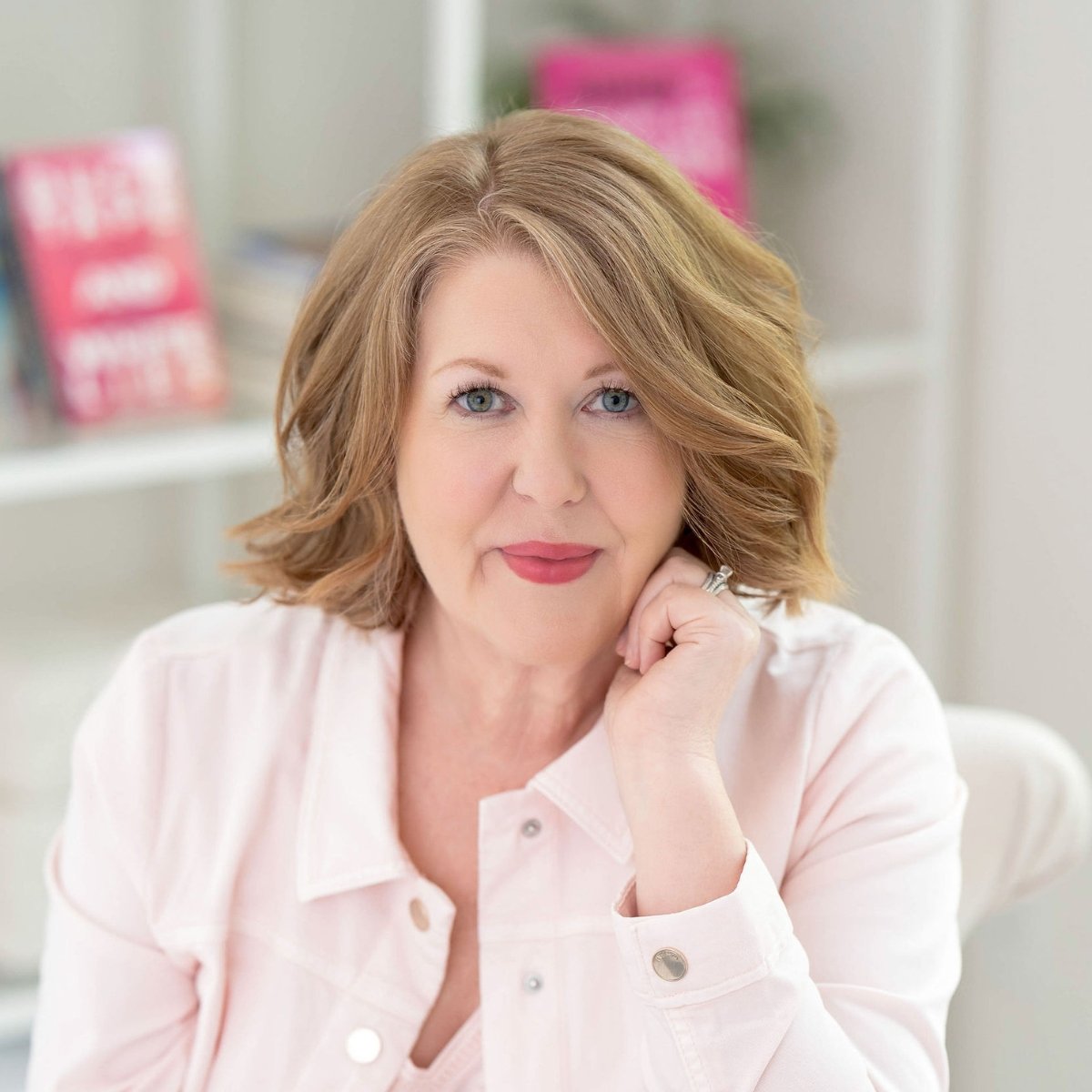
Author: Sharla Yates

  • WEBINAR | Time Traveler: How to Manipulate Time on the Page

    WEBINAR | Time Traveler: How to Manipulate Time on the Page

    November 11 @ 3:00 pm – 4:00 pm America/NewYork

    For creative nonfiction, nonfiction, and fiction
    Included in the Season Pass

    Time on the page creates tension, amplifies emotion, and controls the pace of the story. This can be the time it takes characters or the narrator to move across a room, a montage of the past or flashbacks within the present scene, and the time created by different verb tenses and points of view. 

    Writers most often work with four types of time: 

    • Linear/logical time that sustains plot and point of view
    • The Continuous Present, which brings immediacy to the page and can support multiple or collective points of view
    • Long Time, with which we can depict extraordinary amounts of time passing in a flash piece and show how the deep past informs the present and the future
    • Meticulous Time, when the time within the story is actually shorter than the amount of time it takes to read it. By slowing time and examining smaller details and moments, greater emotion is created on the page or the reader’s focus is controlled. 

    With examples and instructions, explore the fascinating craft of creating, expanding, and contracting time by rewriting a single scene in each of the four times. You’ll finish our action-packed hour with a deeper understanding of how time elapses within scenes and flash pieces and a stronger understanding of when and why to use each type of time. 

    This webinar will also help you find a well of creativity and freedom to draw from in connection to how you replicate time on the page.

    Come ready to write!


    In this webinar, you will:
    • LEARN about four different types of time to use in creative writing
    • HEAR examples that illuminate the advantages of using different time elements
    • EXPLORE how time is its own craft element, helping writers guide their readers through plot
    • WRITE in four kinds of time to truly understand this craft technique
    • KNOW how, when, and why to expand and contract time in your work
    This webinar is ideal for …
    • intermediate and advanced fiction and nonfiction writers who are obsessed with time—how it moves, bends, and plays tricks on the page
    • writers looking to explore fresh aspects of craft and push past familiar techniques
    • writers whose scenes feel flat or rushed and want to learn how to stretch a moment until it earns its weight
    • writers struggling with pacing—either everything moves too fast, or nothing moves at all
    • writers who want their prose to mirror the way memory, boredom, or deep focus actually feel, instead of defaulting to straightforward chronology
    • writers ready to experiment with structure and are looking for a framework to do it with intention, not just instinct

    Closed captioning is available. ✔
    All registrants receive the recording. ✔

    ABOUT YOUR PRESENTER
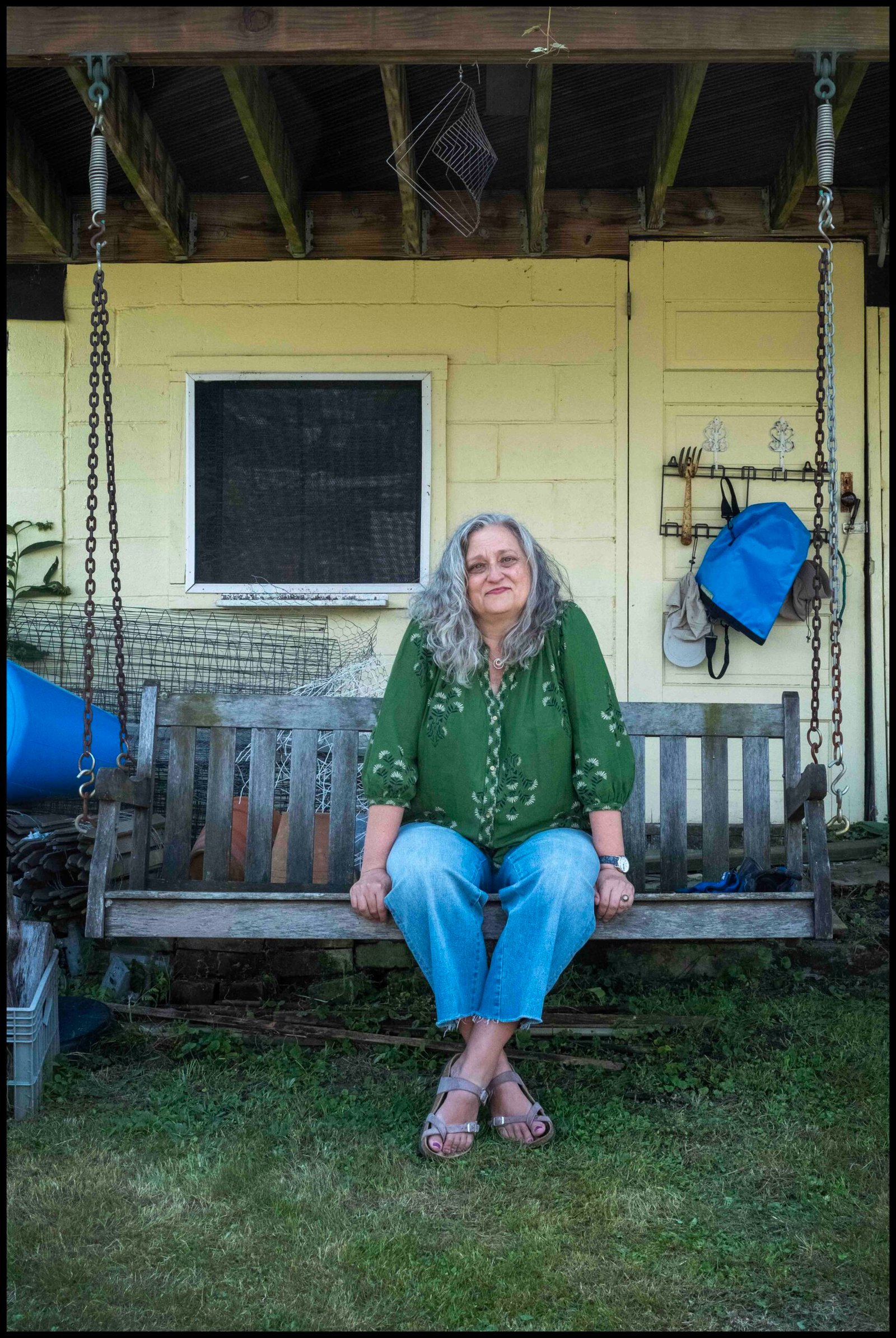
    An informal-but-informed teacher focused on actionable results, Sherrie Flick is the author of six books, including the short story collection I Have Not Considered Consequences (Autumn House Press, 2025). She is co-editor for the Norton anthology Flash Fiction America and senior editor at SmokeLong Quarterly. Her work has been performed at Symphony Space for NPR’s Selected Shorts and has appeared in many journals and anthologies, including Ploughshares, New England Review, Prairie Schooner, and Flash Fiction Forward. An essay from her debut essay collection, Homing: Instincts of a Rustbelt Feminist (University of Nebraska Press), was listed as notable in The Best American Essays 2023. Her most recent awards include a Creative Development Grant from the Heinz Endowments and a Writing Pittsburgh fellowship from the Creative Nonfiction Foundation. She is a visiting professor in the West Virginia Wesleyan low-residency MFA program.

    REFUNDS (less a $10 processing fee) ARE AVAILABLE before the replay is sent out. For a refund, EMAIL us at info@WritingCraft.com. Canceling your Zoom invite will not initiate this process.

    There are no refunds after the replay is sent.

    Questions? Please email Info@writingcraft.com

    Registration Info
    $20 Early Bird | $30 Cost of the Event

    INSTRUCTOR

    Location

  • WEBINAR | Exploring the Happy Accident: Crafting Draft Discoveries into Exquisite Nonfiction

    WEBINAR | Exploring the Happy Accident: Crafting Draft Discoveries into Exquisite Nonfiction

    November 4 @ 3:00 pm – 4:00 pm America/NewYork

    For creative nonfiction, nonfiction, and all writers eager to find more spontaneity in their process.
    Included in the Season Pass

    Sometimes the exact thing your writing needs is the thing you least expect: the subject you weren’t meaning to consider, the turn of phrase you didn’t know you had in you, or the connections you never realized you could make. These “Lucky Drafts” are happy accidents, turning serendipity, coincidence, and unwitting juxtaposition into exquisite nonfiction. And often, these drafts surprise us with their flow and power, transcending the labor of writing to reach our strongest authorial voice. 

    I never meant to be an essayist. The first long-form piece of creative nonfiction I ever wrote was meant to be an 800-word contribution to a roundtable on race and poetry. It turned into a 9000-word essay that went explosively viral upon publication. Nearly every essay I’ve published since has similarly arrived while I was writing something else entirely. This is true of many of my poems, too. 

    Other writers across genres—poets, novelists, and essayists—have shared with me their own adventures in happy accidents, to borrow a phrase from legendary painter and PBS fixture Bob Ross, and how inadvertent nonfiction can become the best essays we never meant to write.

    In this webinar, we’ll consider why and how the inadvertent can so often be so much more interesting and satisfying than the thing we were meaning to write. We’ll discuss strategies for cultivating and embracing happy accidents and learn to create the circumstances (and welcome the surprises!) to generate exciting new work that surpasses our own expectations for our writing.


    In this webinar, you will:
    • DISCOVER examples of accidental turns in essay writing
    • EXPLORE how and why the unintentional can result in potent and memorable writing
    • LEARN how to embrace the unexpected and let it lead us to fresh and exciting new essays
    • RELEASE over-control of your writing to allow yourself to surprise yourself
    This webinar is ideal for writers who…
    • feel stuck or blocked
    • are writing a ton but publishing less than they hope to
    • seek to differentiate their work from everyone else’s in an oversaturated media moment
    • are waiting for their writing to “flow” instead of pushing

    Closed captioning is available. ✔
    All registrants receive the recording. ✔

    ABOUT YOUR PRESENTER

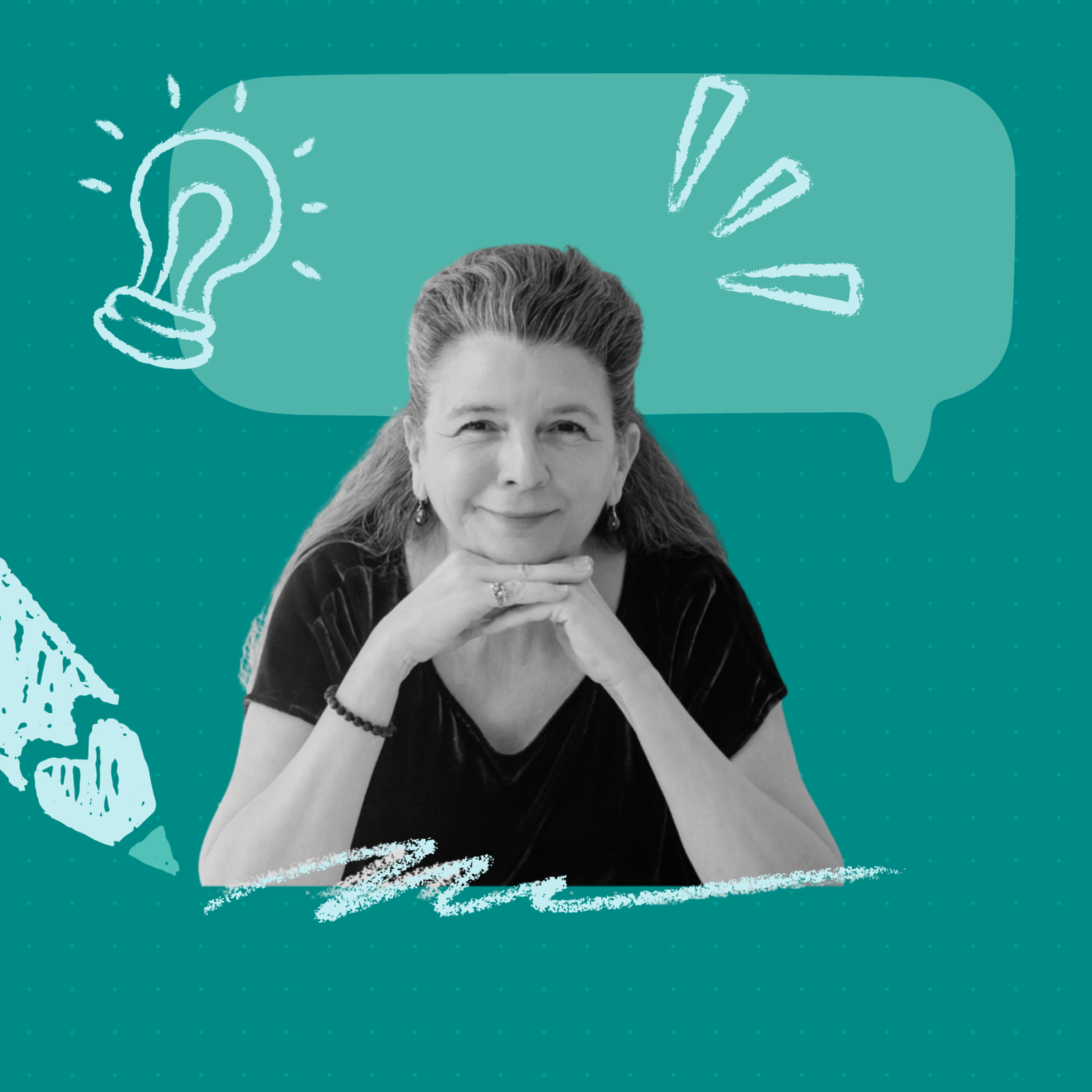
    A personable and lively teacher, Jaswinder Bolina’s superpower is translating complicated ideas into plain English. His conversational, humorous sessions are transformative for students’ work. Noted for being analytical yet highly approachable, Jaswinder’s most recent book English as a Second Language and Other Poems (2023) was awarded the 2025 Kingsley Tufts Poetry Award from Claremont Graduate University. He is author of three previous poetry collections, The 44th of July (2019), Phantom Camera (2013), and Carrier Wave (2007), and of the essay collection Of Color (2020).

    REFUNDS (less a $10 processing fee) ARE AVAILABLE before the replay is sent out. For a refund, EMAIL us at info@WritingCraft.com. Canceling your Zoom invite will not initiate this process.

    There are no refunds after the replay is sent.

    Questions? Please email Info@writingcraft.com

    Registration Info
    $20 Early Bird | $30 Cost of the Event

    INSTRUCTOR

    Location

  • 3-WEEK WORKSHOP | Build Your Bold Creative Practice: For Writers to Jump-start, Reset, and Connect

    3-WEEK WORKSHOP | Build Your Bold Creative Practice: For Writers to Jump-start, Reset, and Connect

    November 15 @ 12:00 pm – December 13 @ 1:30 pm EST

    Open to 25 writers | 2 need-based scholarships are available—please email info@writingcraft.com to inquire before purchasing.

    Live On Zoom | Every other Sunday, November 15–December 13, 12–1:30pm EST

    Do you remember what brought you to writing? Have you lost your momentum and curiosity along the way? Writing is hard and life is full of (important!) interruptions, but with real structure and a cohort that has your back, you can return to your writing practice with courage and honesty.

    In Art and Fear, David Bayles and Ted Orland write about the fears that keep us from making work at all, and in The Artist’s Way, Julia Cameron insists that creativity is not a rare gift but a practice—one that requires showing up, again and again, especially when it’s uncomfortable. This course draws from both, alongside additional interviews, videos, and texts, to guide us in building a sustainable creative practice.

    This is not a craft lecture series. Instead, the course is designed to give you space for introspection and artistic risk-taking. To allow you to commit—to yourself and to the group—to showing up at the page and to build the muscle that makes showing up possible long after the class ends. 

    Each session, you’ll commit to one artistic exercise to bring back and share at our next meeting. You’ll take yourself on weekly artist dates. You’ll journal daily. You’ll be asked to stretch and take risks with a cohort who will quickly become your writing community. 

    Between our three main sessions, you’ll also have an optional co-writing hour, where we’ll put the week’s exercises into practice together, in real time. You’ll also have access to a private online forum to check in, connect, and share with your cohort.

    This is the first time this particular group will be doing this particular thing. Much of what we build here, we’ll be building together for the first time. 

    If that excites you more than it scares you (or if it scares you exactly the right amount), join us.


    Schedule

    Session 1 (Nov 15)—Where have you been? Why are you here? Where are you going? We start by taking stock: what’s brought you to this practice, what’s gotten in the way, and what you’re actually hoping to build. Expect honest reflection and the first artistic commitment of the course.

    Co-Writing Hour (Nov 22): 12-1 pm EST 

    Session 2 (Nov 29) — Working in Uncertainty. The messy middle. With two weeks between sessions to actively pursue the finicky muse, we’ll sit with not-knowing, explore what it means to make work without a guaranteed outcome, and share the exercises from Session 1.

    Co-Writing Hour (Dec 6): 12-1 pm EST

    Session 3 (Dec 13) — Making Plans and Promises. The last week includes a culminating discussion. We close by naming what we want to carry forward—concrete commitments to our own practice—and share the final round of work.


    In this workshop, you will …
    • RECONNECT with why you create and identify what’s been getting in the way
    • BUILD a sustainable, repeatable creative practice
    • COMPLETE exercises to discover surprise and new avenues 
    • COMMIT to yourself and your work
    • PRACTICE sharing unfinished, risky, or vulnerable work in a small, trusted group
    • SIT with uncertainty instead of rushing past it
    • LEAVE with concrete plans and promises for your ongoing practice
    This course is for writers …
    • want to jump-start a creative practice that’s stalled or start a conscious practice for the first time
    • are willing to stretch and take risks
    • are ready to commit to weekly accountability
    • want a variety of exercises and approaches to draw from
    • desire a community and mutual accountability over solitary practice

    Closed captioning is available. ✔
    Think you might miss a class? No worries, replays will be available. ✔

    ABOUT YOUR INSTRUCTOR

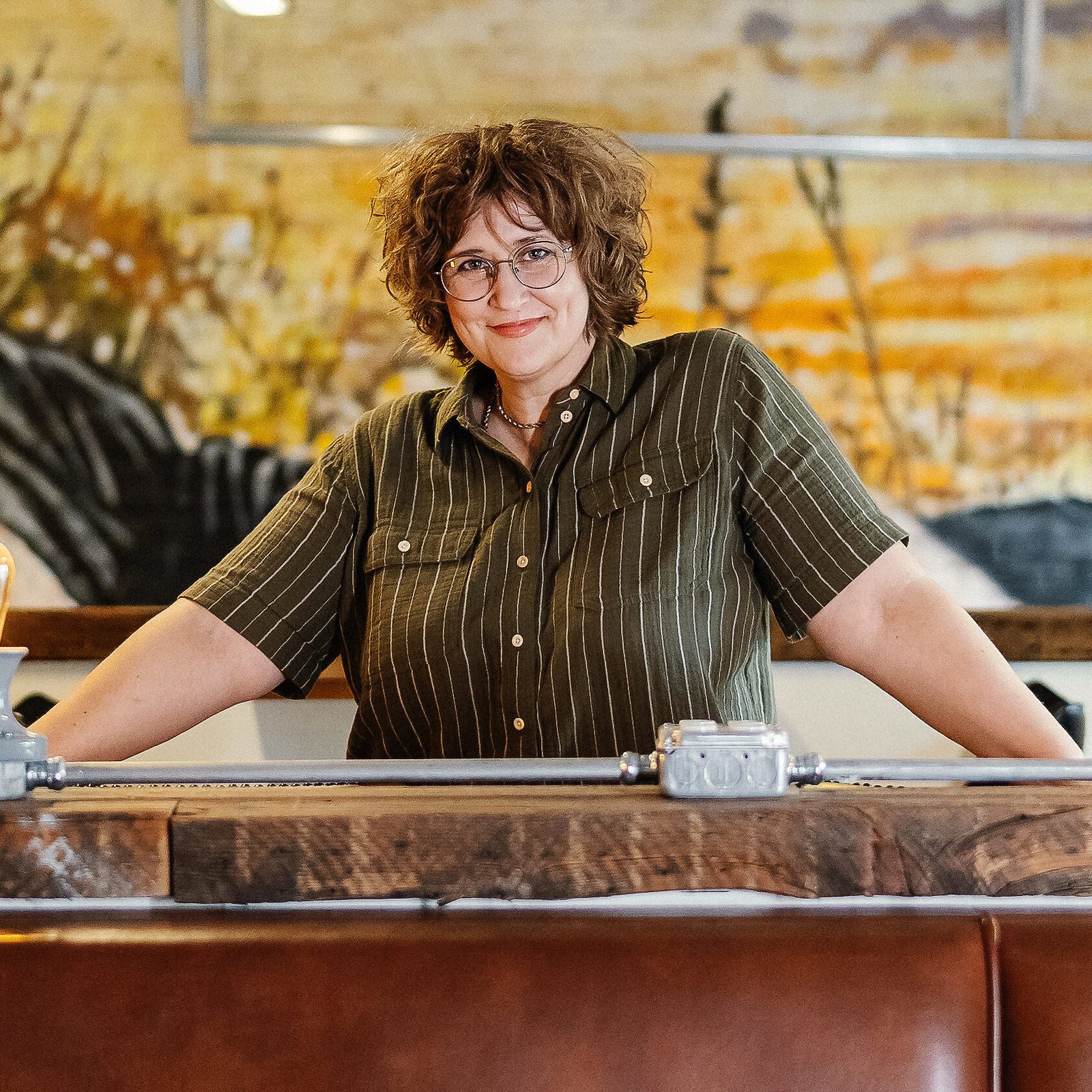
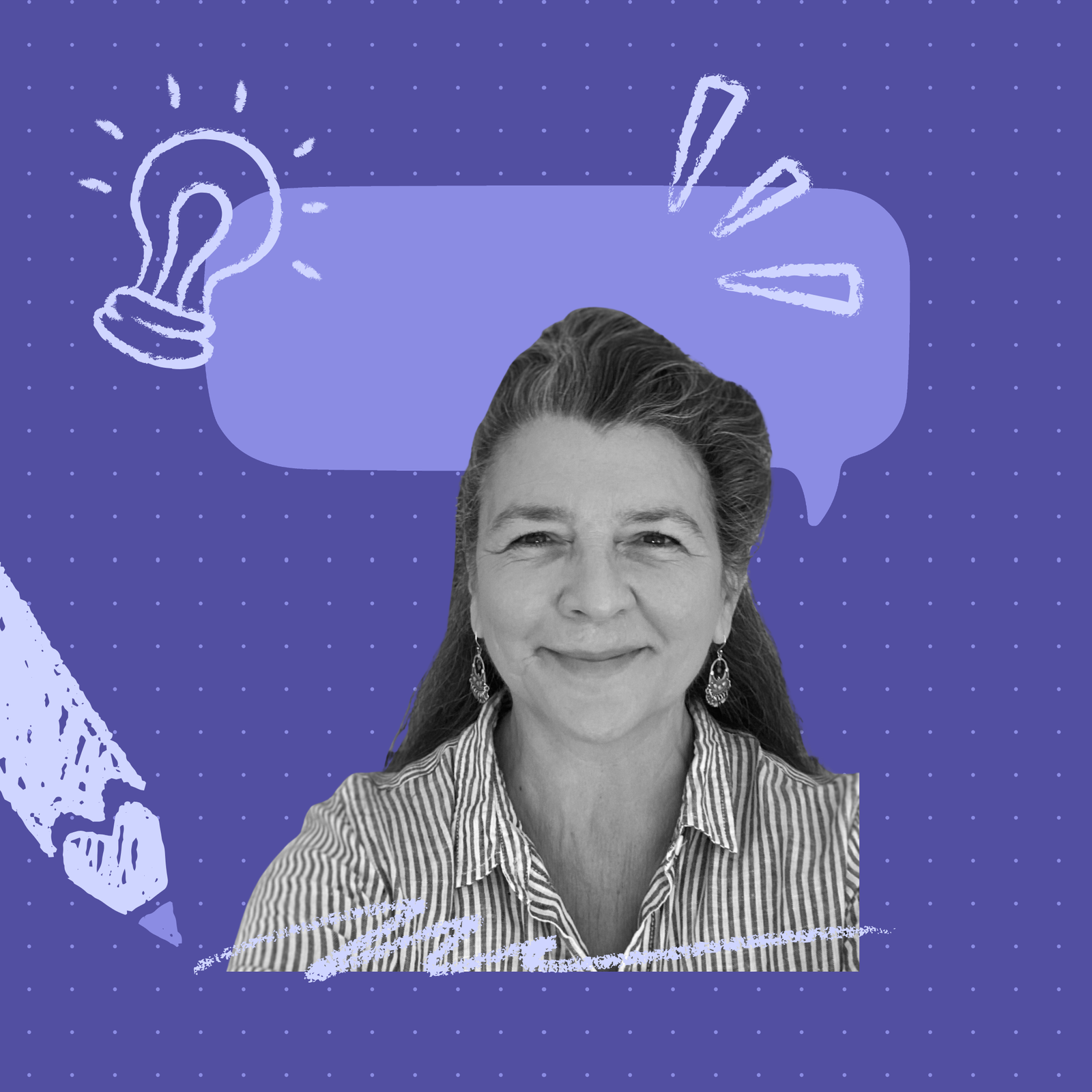
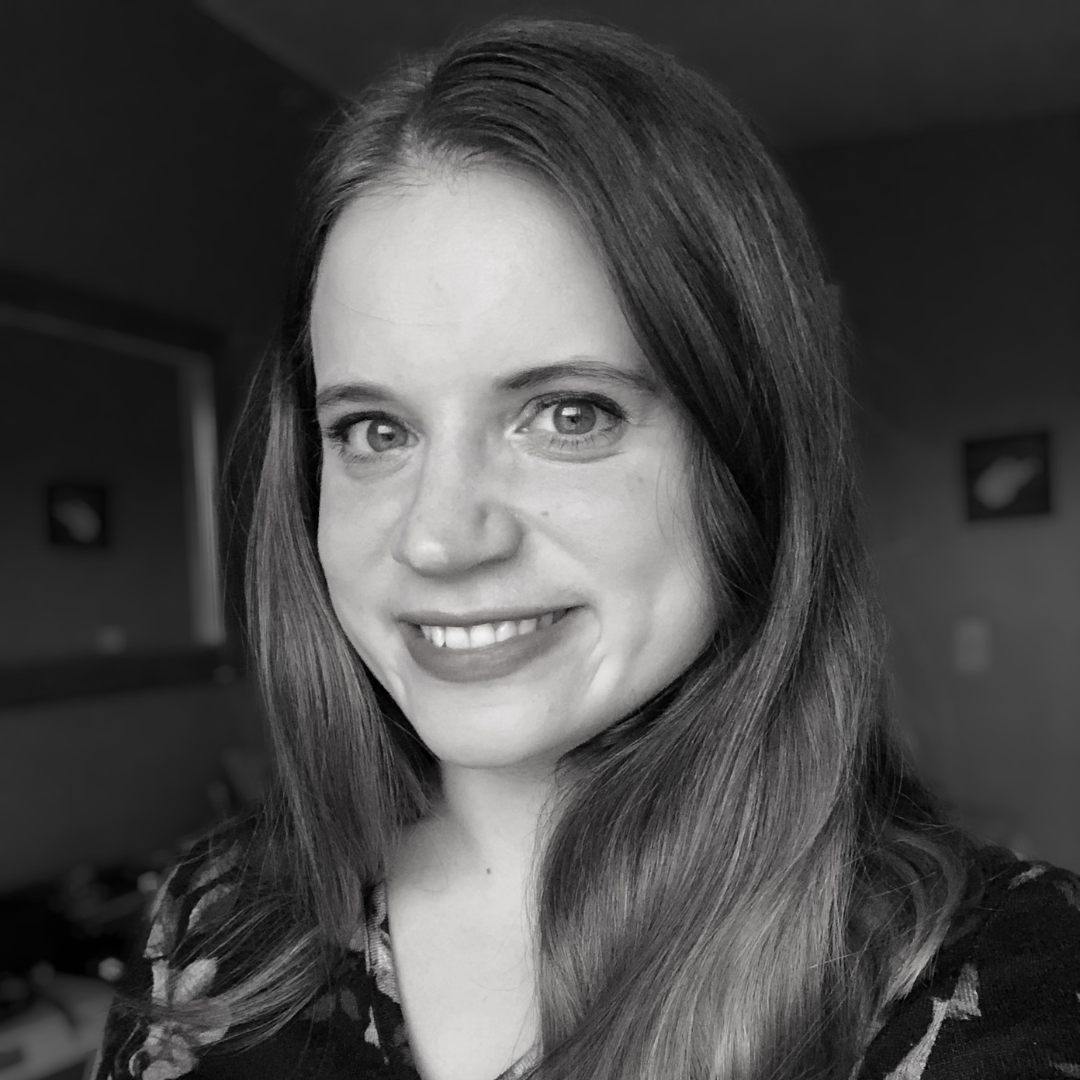
    With over 20 years of teaching and writing experience, Sharla Yates is devoted to helping people recognize that their creative pursuits matter—more than that—are vital. She’s the author of the poetry chapbook What I Would Say if We Were to Drown Tonight (Stranded Oak Press, 2017). She hosts CRAFT TALKS, a webinar series for writers, and co-hosts The Writers Bridge with Allison K Williams. Her essay “Address,” published on Short Reads, was a finalist for the 2015 Columbia Journal Writing Contest and the 2016 Penelope Niven Creative Nonfiction Award. She teaches creative writing at the University of Pittsburgh.

    Testimonials From Past Students

    “Sharla has a clear passion for what she teaches!” 

    “I really enjoyed Yates’ class. She did a good job at channeling your inner ‘creative process.’ Def recommend!!!”

    “I like the variety of exercises we were assigned that let us try different forms of writing.”

    “She did a great job organizing specific workshops and readings to make sure that we knew what we were working on and how to accomplish what we wanted out of the project.”

    “I grew not only as a writer but also generally as a creative. I was a big fan of the journal and journal prompts.”

    THE FINE PRINT

    We understand that life can get in the way of your plans. We want you to be able to get the most out of your course, and our refund policy is designed to balance your need for flexibility with our deadlines and obligations to our teachers.

    Before the first class, you may request a refund (less a $25 processing fee).

    After class begins, you may request a refund for the remaining value of the course (less a $25 processing fee). No credits or refunds will be available after the 2nd class.


    Questions? Please email Info@writingcraft.com


    Registration Info
    $180 Early Bird | $230 Cost of Event

    Instructor

    Location
  • SEMINAR | Essential Structures: Building Successful Fiction and Memoir

    SEMINAR | Essential Structures: Building Successful Fiction and Memoir

    November 28 @ 2:00 pm – 5:00 pm EST

    For Memoir and Fiction

    Live on Zoom | Saturday, November 28 | 2-5 pm Eastern

    Discover a range of narrative structures used in contemporary fiction and memoir, including three-act design, lyric and fragmented forms, braided narratives, epistolary structures, frames, and modular storytelling. Rather than treating structure as a formula, we’ll examine how writers shape reader attention, tension, revelation, and emotional momentum via crucial structural decisions.

    Examine key structural principles to determine whether a manuscript succeeds or stalls. We’ll discuss the difference between what writers want to communicate and what readers actually want to experience, what “showing” truly means on the sentence and scene level, and the most common pitfalls that weaken fiction and memoir projects. 

    In this seminar, you’ll gain a solid sense of the basic principles for constructing your own fiction or memoir narratives that are vivid, dynamic, engaging, original, and structurally sound.


    In this three-hour seminar, you will:
    • DISCOVER the range of narrative frameworks that turn ideas and material into compelling stories
    • LEARN TO CLOSE READ for the architecture behind stories that resonate and endure: Journey, Mystery, Braid, Mosaic
    • MATCH the essential shape your particular story needs with the proven structural template that best supports your material
    • TRANSFORM your initial inspiration into reader-friendly, memorable, complete narratives
    • EXAMINE hidden mechanics of withholding, pace, and revelation.
    • TRACE and strengthen the A-to-B change trajectory that gives stories both momentum and meaning.
    • REPLACE simplistic “show, don’t tell” advice with a more powerful understanding of how narrative information and story momentum actually work for readers.

    Whether you’re getting ready to write your first memoir or in the midst of revising your fifth novel, you’ll find a place in this course. The common denominator is not experience level but commitment: participants should be actively working on a project or wanting to do so and ready to engage deeply with questions of structure.

    This course is ideal for ambitious beginners to seasoned writers …
    • who want their fiction or memoir to find—and move—readers 
    • with an idea (or 2 or 3) for a story or book project—but who are struggling to get the project off the ground
    • whose project is up and running, but it has been difficult to bring to completion
    • who have a project in mind or in the works and who have taken at least a few writing classes or seminars

    Closed captioning is available. ✔
    Think you might miss a class? No worries, replays will be available. ✔

    ABOUT YOUR INSTRUCTOR

    Dr. Heather Sellers has been teaching for over thirty years, and she doesn’t teach like anyone else. Her classes are innovative and groundbreaking, and students describe them as fun, lively, and warm—the kind of workshop where you laugh out loud and walk away having learned an enormous amount. 

    She is the author of You Don’t Look Like Anyone I Know, a popular memoir about family and face blindness. An Oprah Book-of-the-Month Club selection and Editor’s Choice at the New York Times Book Review, the award-winning book was featured on NPR’s All Things Considered, Dick Gordon’s The Story, Dateline, The Today Show, and Good Morning America with George Stephanopoulos. Her essays appear in The New York Times, The Sun, Reader’s Digest, Good Housekeeping, The Best American Essays, and numerous journals and anthologies. She is the author of four books on the craft of writing, including The Practice of Creative Writing.

    Her fifth collection of poetry, Women in Tampa Talking About Alligators, is just out from Lynx House Press. Currently, she is a member of the MFA faculty at the University of South Florida, where she won the university’s highest teaching award. She also offers in-person workshops and private lessons for writers at all levels.

    Testimonials from past students

    “This was one of the most substantive classes I’ve taken. The craft insights were deep, but everything was presented in a clear, usable structure that made revision feel possible instead of overwhelming.” – Anon

    “I loved how rigorous the content was without ever feeling dry. The pacing, humor, and energy kept me completely engaged—and I left with concrete tools I used immediately.” – Grace L, New York

    “What stood out most was how intentional the teaching was.” –Kate S, NJ

    “I expected inspiration, but I didn’t expect this level of craft depth. The class was smart, funny, and incredibly well organized.” – Constance, Holland, MI

    “You can feel how much thought has gone into the structure of the presentation. Nothing felt random—everything connected, and Heather is so personable and smart and fun.” – BethAnn, Tampa, FL

    THE FINE PRINT

    We understand that life can get in the way of your plans. We want you to be able to get the most out of your course, and our refund policy is designed to balance your need for flexibility with our deadlines and obligations to our teachers.

    Before the class, you may request a refund less a $10.00 processing fee.

    Please keep in mind that no refunds or credits will be issued after class begins.

    Questions? Please email Info@writingcraft.com


    Registration Info
    $75 Early Bird | $99 Cost of Event

    Event Organizer

    Location
  • SEMINAR | The Art of Applying: How to Win Grants, Residencies, and Fellowships

    SEMINAR | The Art of Applying: How to Win Grants, Residencies, and Fellowships

    November 7 @ 3:00 pm – November 14 @ 5:00 pm EST

    For All Writers

    Live on Zoom | Saturdays, November 7 & 14 | 3-5 pm Eastern

    Most writers would benefit from more support for their writing—whether a travel grant to research your latest piece, a one-month residency to draft new pages, or a fellowship to pay your bills while you finish a manuscript. But how do you find those opportunities? And once you find them, how do you figure out if it’s worth your time (and application fees!) to apply? 

    Chelsea Biondolillo will share tips and tricks for finding fellowships, grants, and residencies to support a wide range of projects and writers at every level. We will go over the language of applications—how to know if you are “emerging” or “mid-career,” or if your work is “innovative” or “enduring,” the difference between honoraria and stipends, and how to determine the actual costs of attending a “free” residency. 

    Bring your application drafts and conundrums to share during the second week; we will live-edit participant application materials to show how small changes can improve your application’s readability, tailoring, and effectiveness. You will leave with a handout full of resources, improved confidence for navigating applications, and a clearer sense of how to get the support your work needs.


    Over these two weeks, you will …
    • DISCOVER ways to get external support for specific projects or your writing life
    • EXPLORE resources for fellowships, residencies, and grants to enrich your writing process or practice
    • LEARN to “read between the lines” of official application guidelines to find the right resources for your project or goals
    • PRACTICE writing a statement of purpose or cover letter
    • WATCH as participant work is live-edited to improve tailoring, and apply those edits to your own work

    Schedule

    Day 1

    Intros / course intro / go over schedule 
    Grant, fellowship, residency—what’s the difference?
    The application Trinity: Cover letter, statement of purpose, writing sample
    Prompt (artist’s statement)—10 min break
    Intro homework / options for feedback (work submitted by Thursday night is eligible for live edit) / review how to give feedback

    Day 2

    Check-in—what opportunities did folks find?
    Discussion: on “reading between the lines” of calls for entries
    Prompt (the paramedic method of revision)—10 min break
    Live editing of participant work
    Q & A

    This course is for writers who are …
    • planning their next (or first!) application season
    • ready to apply for a funding opportunity and needing a little more confidence
    • who want their application materials to stand out and impress selection committees
    • unsure why their past applications weren’t successful
    • with an active project, looking for funding to help continue it
    • planning a project that could benefit from funding during research or development
    • who could use some time away to work on a piece of writing (either as a funded staycation or residency)

    Closed captioning is available. ✔
    Think you might miss a class? No worries, replays will be available. ✔

    ABOUT YOUR INSTRUCTOR

    Known for packing her courses with deep knowledge, actionable information, and fun facts, Chelsea Biondolillo is a collage artist and the author of The Skinned Bird: Essays and two prose chapbooks, Ologies and #Lovesong.

    Her essays have been collected in Best American Science and Nature Writing 2016, The Lyric Essay as Resistance, and How We Talk to One Another: An Essay Daily Reader and is forthcoming in The Rose Metal Press Field Guide to Writing the Lyric Essay.

    Chelsea’s paper and mixed media collages have been shown in Oregon, Washington, and New York. Her image and text essay, “Weeds” was the winner of CRAFT Literary’s inaugural hybrid writing contest. She has a BFA from the Pacific Northwest College of Art and an MFA from the University of Wyoming. She currently lives in Eugene, Oregon.

    Testimonials from past students

    “I was too intimidated to apply for writing residencies in the past. Chelsea’s ‘Art of Applying’ workshop gave me the tools and encouragement I needed to create a compelling application. I was just awarded my first residency ever, thanks in large part to what I learned from her.” ~ S LeDuc

     “I took an online workshop with Chelsea two years ago. As a fiction writer venturing into nonfiction, I needed a lot of guidance, and I got it. Chelsea’s lessons and feedback  were immensely helpful to me. An essay I began in that class was later accepted by a well known online magazine. I still go back to the material Chelsea provided as support when starting new projects. I can wholeheartedly recommend Chelsea as a mentor and teacher. ” ~ L Doyle

    “I took Chelsea’s intensive flash nonfiction class and was deeply impressed by her commitment, feedback, and warm teaching style. The class was online, but Chelsea managed to create a respectful and intellectually stimulating sense of community.” ~ J Zarankin

    THE FINE PRINT

    We understand that life can get in the way of your plans. We want you to be able to get the most out of your course, and our refund policy is designed to balance your need for flexibility with our deadlines and obligations to our teachers.

    Before the class, you may request a refund less a $10.00 processing fee.

    Please keep in mind that no refunds or credits will be issued after class begins.

    Questions? Please email Info@writingcraft.com


    Registration Info
    $99 Early Bird | $125 Cost of Event

    Event Organizer

    Location
  • WEBINAR | Write Beyond Yourself: Research, Reporting, and the Art of Narrative Nonfiction

    WEBINAR | Write Beyond Yourself: Research, Reporting, and the Art of Narrative Nonfiction

    October 29 @ 3:00 pm – 4:00 pm America/NewYork

    For Creative Nonfiction, Narrative Nonfiction, and Memoir
    Included in the Season Pass

    We are often told to ‘write what we know.’ But what if the story we’re telling, whatever our own role in it, requires us to seek out information, perspectives, and knowledge beyond our own experience? Even as we write beyond ourselves, the question at the heart of the book or essay must drive our inquiry. Why we are telling this story in turn dictates how that story unfolds and is structured and told.

    Learn narrative nonfiction writer Michael Copperman’s best techniques for conducting and writing interviews, researching, exploring archives and analyzing keepsakes, quoting from other first sources, and reportage. Through examples of transforming source material into recreated and imagined scenes and text, you’ll discover the combination of skill, patience, and inspiration that powers successful narrative nonfiction.

    Proceeds for this course support Short Reads, the free, flash-nonfiction literary magazine, and the writers they publish. Find out more and subscribe to Short Reads here.


    In this webinar, you will:
    • EXPLORE different kinds of research, reportage, investigation, and interviews
    • INTERROGATE the ethics of transforming anecdotes, facts, and data into narrative
    • CONSIDER models of transforming research into a story
    • LEARN how to begin doing this work for your own writing
    This webinar is ideal for beginning and intermediate writers who…
    • want to include archival materials and research and/or conduct interviews to enrich their own work
    • wish to consider or include knowledge and perspectives beyond their own immediate experience
    • want to write compelling, enlightening narrative nonfiction that appeals to audiences, agents, editors, and readers

    Closed captioning is available. ✔
    All registrants receive the recording. ✔

    ABOUT YOUR PRESENTER

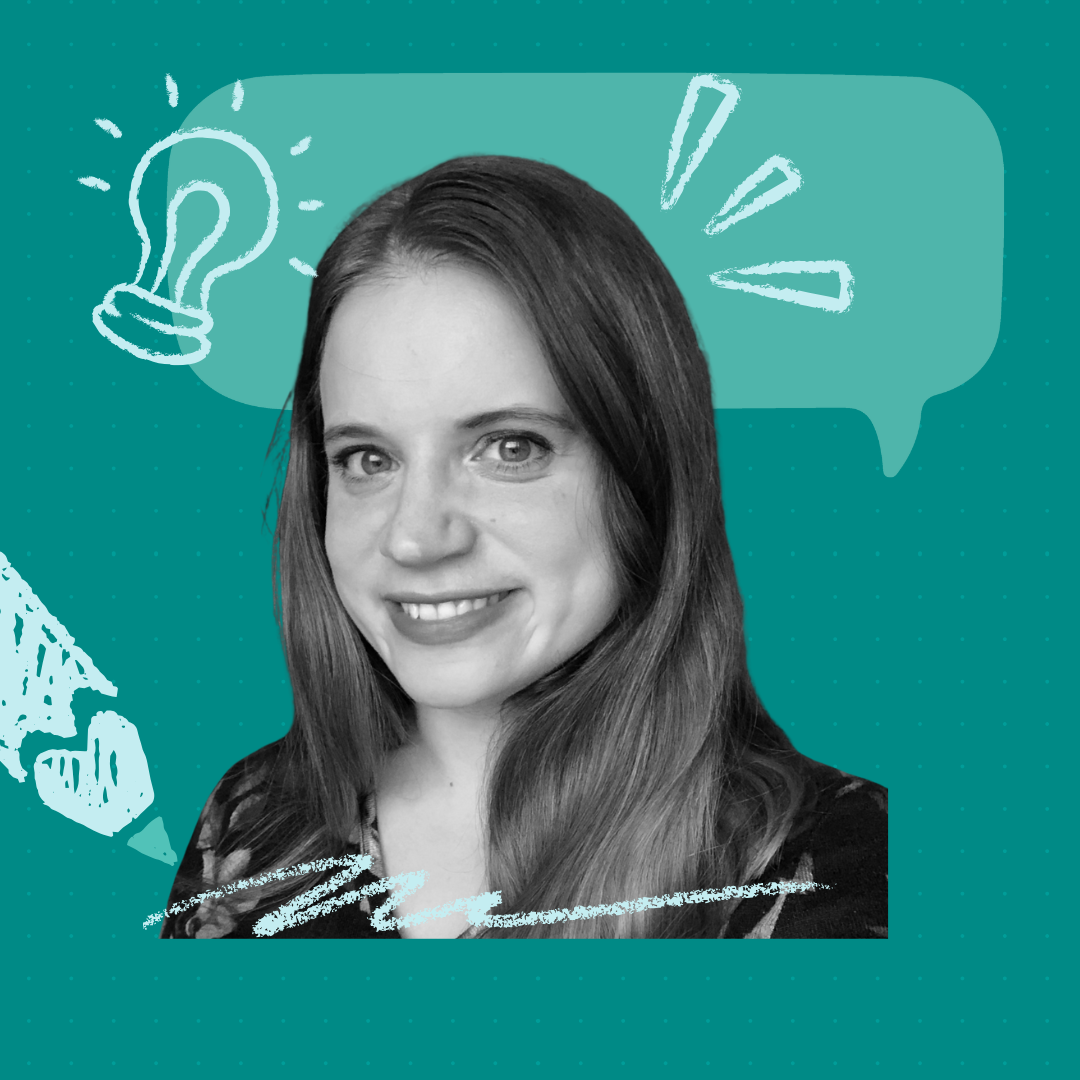
    MICHAEL COPPERMAN’s memoir TEACHER: Two Years in the Mississippi Delta (University Press of Mississippi 2017), about the rural black public schools of the Mississippi Delta, was a finalist for the 2018 Oregon Book Award in CNF. A funny, generous and thoughtful teacher, he blends specific information with the inspiration to use it, right away.

    Michael’s prose has appeared in The Oxford-American, Guernica, The Sun, Creative Nonfiction, Boston Review, Salon, Gulf Coast, Triquarterly, Kenyon Review and Copper Nickel, among many others, and has won awards and garnered fellowships from the Munster Literature Center, Breadloaf Writers Conference, Oregon Literary Arts, and the Oregon Arts Commission. His work is represented by David Dunton of Harvey Klinger.


    REFUNDS (less a $10 processing fee) ARE AVAILABLE before the replay is sent out. For a refund, EMAIL us at info@WritingCraft.com. Canceling your Zoom invite will not initiate this process.

    There are no refunds after the replay is sent.

    Questions? Please email Info@writingcraft.com

    Registration Info
    $20 Early Bird | $30 Cost of the Event

    INSTRUCTOR

    Location

  • The Writers Bridge | Writing Off-Limits: How Comedy Creates Powerful Work in Every Genre with Elissa Bassist

    The Writers Bridge | Writing Off-Limits: How Comedy Creates Powerful Work in Every Genre with Elissa Bassist

    September 29 @ 1:00 pm – 2:00 pm EDT

    Most writers assume humor is a gift some people have and others don’t—and that it only belongs in comedy. But funny writing isn’t joke after joke after joke. It’s being vulnerable, opinionated, emotional, and a little silly, whether you’re writing a personal essay, a novel, or a query letter.

    Humor is a craft—and it’s built the same way any other kind of good writing is: through observation, specificity, honesty, and revision. And good humor leavens the darkest personal essay, sustains reader compassion in a memoir, and makes novels sparkle on the page.

    Elissa Bassist—author of the memoir Hysterical, created and edited The Rumpus’s “Funny Women” column, and has been a humor-writing teacher for two decades. She joins The Writers Bridge to talk about why infusing humor into your writing—even writing that isn’t “comedy”—makes it sharper, more honest, and more memorable. Elissa will share no-fail ways to make anything you write funnier (and just plain better), and how to find the joke in any topic, including the ones that feel too boring or too off-limits to touch.

    Join us TUESDAY SEPTEMBER 29 at 1PM EASTERN / 10AM PACIFIC – live and FREE on Zoom, all welcome!


    Our special guest

    Elissa Bassist is the author of the memoir Hysterical, a semifinalist for The Thurber Prize for American Humor.

    Roxane Gay called Hysterical “one of the most intelligent, painful, ridiculous, awesome, relevant things I’ve ever read,” and Cheryl Strayed wrote that Bassist “wrote it like a motherfucker.” The memoir also earned a starred review from Library Journal and praise from Kirkus and Booklist for its fierce, funny take on chronic pain, medicine, and the silencing of women’s voices.

    Elissa has worked in media and publishing since 2007—as an editor, a managing editor, a TV and film writer’s assistant, a producer, a performer, a speaker, and a barista. Her writing has appeared in over 30 publications and anthologies, and she’s taught for more than 20 writing programs, including The New School, 92NY, and Lighthouse Writers Workshop. Her next book, Inside Jokes: A Comedy and Creativity Guide for All Writers (co-written with Caitlin Kunkel), is out October 20th from Grand Central Publishing—a step-by-step guide to writing anything funnier, from short humor to personal essays.

    Join your hosts Allison K Williams (SEVEN DRAFTS), Sharla Yates (CRAFT TALKS) and our special guest for a genuinely funny, genuinely useful hour on writing with more humor—no matter what genre you write.

    FREE, all welcome! Sign up to receive the Zoom link the day before.


    Enjoy past recorded sessions here

    Closed captioning is available. ✔
    All registrants receive the recording. ✔

    ABOUT YOUR PRESENTERS

    Allison K Williams has edited and coached authors to publishing deals with Penguin Random House, Knopf, Mantle, St. Martin’s Press, and numerous small presses. An expert in author marketing and community building, her platform includes the Brevity Blog (80k+ followers), Instagram (10k+), a mailing list (12k+), and Facebook (5k+), with publications in the New York Times and appearances on NPR and CBC. Her bestselling writing craft book is Seven Drafts: Self-Edit Like a Pro from Blank Page to Book. She leads the Rebirth Your Book writing retreats and co-hosts The Writers Bridge.

    Sharla Yates is the author of the poetry chapbook What I Would Say if We Were to Drown Tonight, published by Stranded Oak Press (2017). She hosts a webinar series, CRAFT TALKS for writers on writing, and co-hosts The Writers Bridge with Allison K Williams. Her nonfiction essay, “Address” was a finalist for the 2015 Columbia Journal writing contest and the 2016 Penelope Niven Creative Nonfiction Award. She is the former Director of Education at the Creative Nonfiction Foundation and teaches creative writing at the University of Pittsburgh.

    Questions? Please email Info@writingcraft.com

  • WEBINAR | Poetry-Curious? Exploring the Craft of Prose Poetry

    WEBINAR | Poetry-Curious? Exploring the Craft of Prose Poetry

    October 21 @ 3:00 pm – 4:30 pm America/NewYork

    For Poetry and Prose Writers 
    Included in the Season Pass

    Experiment, expand your sentence-craft, and have fun generating new work with prose poetry. As a hybrid form that sits between standard prose (like stories or essays) and poetry, prose poems are a fascinating and enjoyable form for writers in all genres. Prose poems combine both the narrative and lyric impulses. They use standard sentences and paragraphs instead of traditional line breaks and stanzas, yet they rely on poetic tools like metaphor and alliteration. 

    For prose writers, this form is a great entry way into exploring poetry. For poets, it’s an exercise in learning to work without line breaks. For all writers, it’s a great way to play with form and expand your creativity—while creating short work ready to revise and publish.

    During this generative online class, explore what a prose poem is and what it isn’t, the different types of prose poems, and what makes a great prose poem. We’ll analyze examples and write drafts based on thought-provoking prompts. You’ll leave this workshop with a new appreciation for prose poems, fuel for your writing inspiration, and at least one new draft of your own.

    Come ready to write!


    In this webinar, you will:
    • LEARN what a prose poem is (not just a lyrical paragraph!) 
    • DISCOVER the five key considerations of a prose poem 
    • EXPLORE common types and styles of prose poems
    • LEARN tips for writing engaging prose poems that lit mag editors and readers will love
    This webinar is for…
    • writers new to prose poetry, with some experience in other forms
    • poets who want to try the prose poem form
    • nonfiction or fiction writers who want to explore writing poetry
    • writers who want to tap into and maximize their creativity
    • writers who love to learn through experimenting creatively and trying new things

    Closed captioning is available. ✔
    All registrants receive the recording. ✔

    ABOUT YOUR PRESENTER

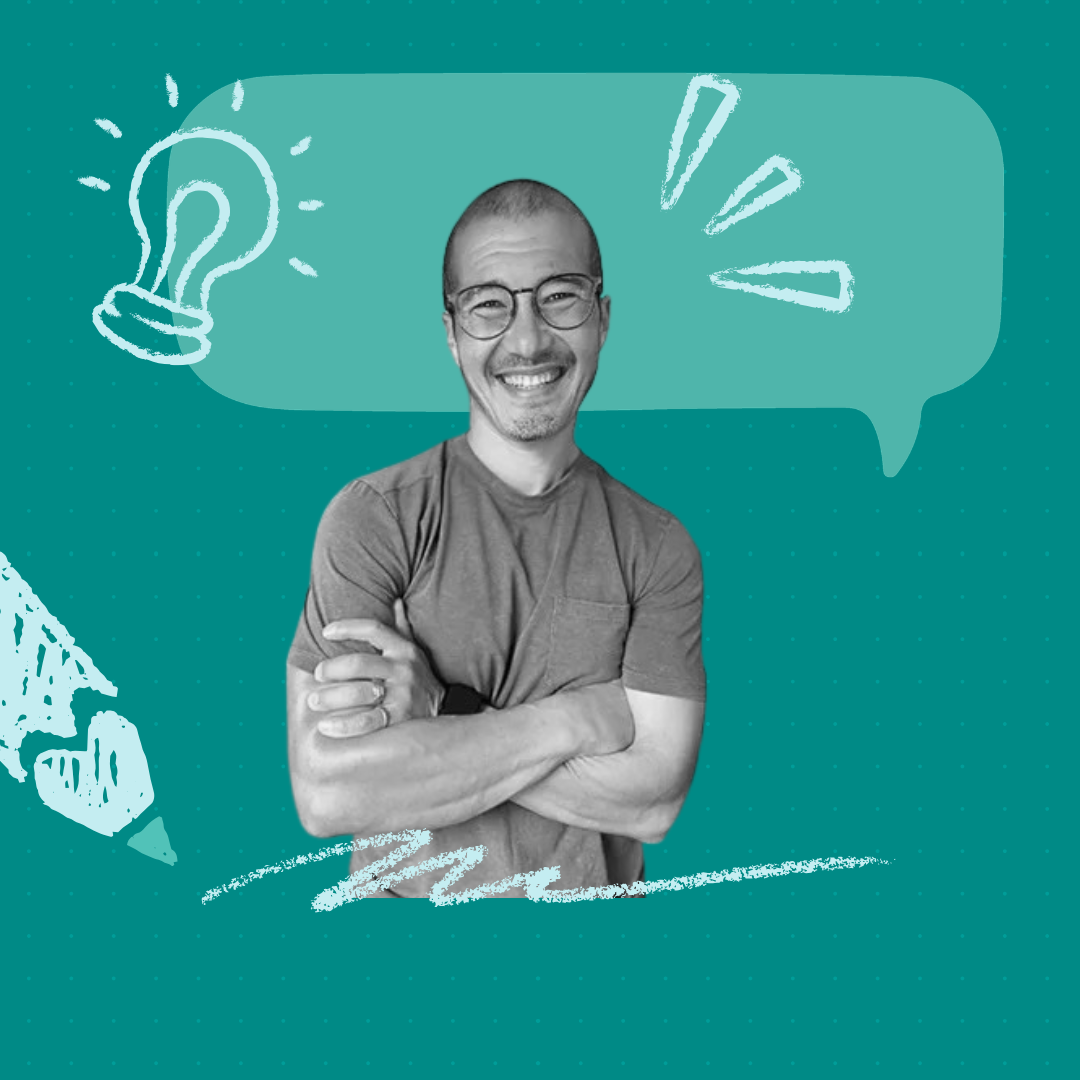
    Bethany Jarmul is an Appalachian writer, poet, writing coach, and enthusiastic, engaging, and inspiring workshop instructor. She’s the author of a poetry collection, Lightning Is a Mother, and a memoir,Take Me Home. Her work has been published in more than 100 literary magazines, including Rattle, Brevity, and Chestnut Review. Her writing was selected for Best Spiritual Literature and Best Small Fictions and nominated for the Pushcart Prize and The Best of the Net. 


    REFUNDS (less a $10 processing fee) ARE AVAILABLE before the replay is sent out. For a refund, EMAIL us at info@WritingCraft.com. Canceling your Zoom invite will not initiate this process.

    There are no refunds after the replay is sent.

    Questions? Please email Info@writingcraft.com

    Registration Info
    $20 Early Bird | $30 Cost of the Event

    INSTRUCTOR

    Location

  • WEBINAR | Short Forms: Flash Fiction and Micro Memoir

    WEBINAR | Short Forms: Flash Fiction and Micro Memoir

    October 14 @ 3:00 pm – 4:15 pm America/NewYork

    For Memoir, Fiction, and Nonfiction
    Included in the Season Pass

    Short forms are the best training ground for learning how stories really work. Micro memoir and flash fiction sharpen every essential craft skill—precision, structure, and impact—in the smallest possible space. Their brevity invites experimentation, but their simplicity can be deceptive: the most successful short works achieve the same depth, resonance, and emotional force of much longer pieces. 

    Through close readings and craft analysis, participants will examine a range of outstanding examples and discover the techniques that make short-form writing so delicious and so powerful. Explore how writers use compression, implication, and language to create memorable stories in remarkably small spaces and how they create narrative momentum, develop character, manage time, and deliver satisfying endings. 

    Whether you’re writing micro memoir or flash fiction or want to apply these techniques to longer works, this session will illuminate the craft principles that allow a few carefully chosen words to carry extraordinary weight.


    In this webinar, you will:
    • IDENTIFY essential characteristics of successful micro memoirs and flash fiction
    • EXAMINE how compression, selection, and omission create emotional and narrative power
    • ANALYZE exemplary short-form works to understand the craft decisions behind their impact
    • EXPLORE strategies for building character, tension, and narrative movement in limited space
    • LEARN how openings, endings, and structural turns function differently in compressed forms
    • GAIN a deeper understanding of how short forms can serve as your training ground, sharpen your prose, and strengthen larger writing projects
    This webinar is best for writers at all levels who…
    • are actively drafting or revising work for workshop, submission, or publication
    • want greater control over structure, voice, and narrative impact at the sentence and scene level
    • are curious about—or already working in—compressed forms
    • feel their stories are too diffuse or overextended and want strategies for tightening and intensifying
    • want to understand how accomplished short-form writers achieve depth, resonance, and emotional force 
    • want to study storytelling at its most distilled and precise

    Closed captioning is available. ✔
    All registrants receive the recording. ✔

    ABOUT YOUR PRESENTER

    Dr. Heather Sellers has been teaching for over thirty years, and she doesn’t teach like anyone else. Her classes are innovative and groundbreaking, and students describe them as fun, lively, and warm—the kind of workshop where you laugh out loud and walk away having learned an enormous amount. 

    She is the author of You Don’t Look Like Anyone I Know, a popular memoir about family and face blindness. An Oprah Book-of-the-Month Club selection and Editor’s Choice at the New York Times Book Review, the award-winning book was featured on NPR’s All Things Considered, Dick Gordon’s The Story, Dateline, The Today Show, and Good Morning America with George Stephanopoulos. Her essays appear in The New York Times, The Sun, Reader’s Digest, Good Housekeeping, The Best American Essays, and numerous journals and anthologies. She is the author of four books on the craft of writing, including The Practice of Creative Writing.

    Her fifth collection of poetry, Women in Tampa Talking About Alligators, is just out from Lynx House Press. Currently, she is a member of the MFA faculty at the University of South Florida, where she won the university’s highest teaching award. She also offers in-person workshops and private lessons for writers at all levels.

    REFUNDS (less a $10 processing fee) ARE AVAILABLE before the replay is sent out. For a refund, EMAIL us at info@WritingCraft.com. Canceling your Zoom invite will not initiate this process.

    There are no refunds after the replay is sent.

    Questions? Please email Info@writingcraft.com


    Registration Info
    $30 Cost of the Event

    INSTRUCTOR

    Location

  • SEMINAR | Beyond the Book: Writing Companion Essays that Reach New Readers

    SEMINAR | Beyond the Book: Writing Companion Essays that Reach New Readers

    October 24 @ 2:00 pm – 4:30 pm EDT

    For fiction, nonfiction, and poetry alike—companion essays cross genres.

    Companion essays are written by an author before, during, and after a book is launched to create awareness of both the writer and the book. These essays showcase the writer’s voice, storytelling, and craft, leaving readers wanting to read more and buy the book. The form is essay, but this type of writing is valuable to writers across genres: creative nonfiction, fiction, and poetry.

    Also called book-adjacent writing, companion essays can address a wide range of topics: the book’s themes and craft; historical or cultural context; reflections, research, and ideas that extend beyond the book; or experiences from the writer’s life. These essays aren’t excerpts, summaries, reviews, ads, reading guides, or a justification for the book. Companion essays are powerful in themselves—informative, entertaining, and surprising—and connect the reader to the author and book in unique ways.

    Publishers, publicists, and agents encourage (and expect) writers to write and publish companion pieces to support marketing and promotion, build readership, and expand the author’s platform. Whether your book is completed, accepted, or a work-in-progress, the best time to begin thinking about and drafting these essays is early in the writing process. 

    We’ll look at published examples to see what makes a successful companion essay. You’ll develop strategies for generating your own companion essay ideas, and we’ll discuss where these essays can be pitched and published and the how-to’s of the submission process. Participants will receive the presentation slides with links to each essay and outlet discussed.


    In this insightful 2.5-hour course, you will:
    • EXPLORE what makes a compelling companion essay and how it connects to a book without summarizing or promoting
    • GENERATE companion essay ideas drawn from your book, collection, or work-in-progress
    • LEARN HOW companion essays use topic, structure, voice, and purpose to reach readers
    • DISCOVER publications that publish companion essays, and DEVELOP a strategy for pitching and publishing companion essays

    This seminar is ideal for writers who…
    • want an effective way to connect readers to their new book, collection, or work-in-progress 
    • want to increase their visibility and build their platform
    • have a book or collection at any stage of development 
    • want to learn how to write and publish compelling companion essays

    Closed captioning is available. ✔

    Think you might miss class? No worries, replays will be available 3 business days after the final session. ✔

    ABOUT YOUR Instructor

    Knowledgeable and well-prepared, passionate, encouraging, and an empathetic and kind teacher, Andrea A. Firth is a writer, editor, and educator based in the San Francisco Bay Area. She teaches creative writing and the literary magazine publishing process for Chill Subs and other digital education platforms in courses packed with information and lots of examples.  

    An editor for The Brevity Blog and cofounder of Diablo Writers’ Workshop, Andrea has an MFA in Creative Nonfiction Writing from Saint Mary’s College of California. Her writing focus is personal essay, and she was a finalist for the Missouri Review’s 2021 Perkoff Prize in Nonfiction. You can read a selection of her published work at her website.

    Student Testimonials

    “Andrea’s classes are stimulating, well structured, and informative, and her experience and skill as a writer and teacher have been extremely valuable.”

    “Andrea is a warm and welcoming teacher. She creates a safe environment to ask questions and explore your skill as an emerging writer. Her knowledge and insights are keen, kind and above all useful. I look forward to more.”

    “Andrea’s class was everything I hoped for and much more—detailed, organized, and packed with information.”

    “As an educator, Andrea Firth delivers. She’s articulate, energetic, passionate, and personable.”

    THE FINE PRINT

    We understand that life can get in the way of your plans. We want you to be able to get the most out of your course, and our refund policy is designed to balance your need for flexibility with our deadlines and obligations to our teachers.

    Before the class, you may request a refund less a $10.00 processing fee.

    Please keep in mind that no refunds or credits will be issued after class begins.

    Questions? Please email Info@writingcraft.com


    Registration Info
    $60 Early Bird | $85 Cost of Event

    Event Organizer

    Location
  • WEBINAR | What Platform Is For: How Visibility Supports Your Work (Not the Other Way Around)

    WEBINAR | What Platform Is For: How Visibility Supports Your Work (Not the Other Way Around)

    October 7 @ 3:00 pm – 4:00 pm America/NewYork

    Nonfiction-focused, but applicable across genres.
    Included in the Season Pass

    Writers are told they need a platform but rarely know what it’s actually for. This leads to a lot of posting, emailing, pitching, and “showing up” without a clear reason behind the effort. The result is noise, scattered energy, lost writing time, and the nagging question: How’s this going to pay off?

    In this webinar, Allison Lane reframes visibility as a tool that supports your book, your work, and your next opportunity. You’ll learn how platform works inside the publishing ecosystem, why visibility needs a purpose, and how to make clearer choices about where and how to show up.


    In this webinar, you will:
    • DEFINE what visibility could make possible for you and your writing
    • UNDERSTAND what platform actually is in publishing and what it’s not
    • IDENTIFY the difference between useful visibility and scattered activity
    • CHOOSE platform-building efforts that support your real goals, capacity, and next steps
    • LEARN how to start from the end state before deciding where to show up
    This webinar is best for intermediate and advanced writers who…
    • have heard they need a platform but aren’t sure what it’s supposed to do
    • are posting, emailing, pitching, or showing up online, but struggle to connect those efforts to their larger goal
    • are preparing to query agents and publishers
    • want to launch their book or build awareness about an already-out-there book
    • want to make smarter choices about where to spend their time and energy
    • are overwhelmed by social media, newsletters, podcasts, speaking, and all the other “platform” advice
    • want their visibility to support their book, their work, and their real life

    Closed captioning is available. ✔
    All registrants receive the recording. ✔

    ABOUT YOUR PRESENTER

    Clear and energetic, motivating and sincere, Allison Lane gives accessible advice that truly moves the needle—and she’s funny! As a strategic publishing and visibility advisor, Allison helps women turn their expertise, perspective, and hard-earned reputation into visible authority, market-ready books, and bigger opportunities. 

    Allison helps women clarify what they want to be known for, develop book ideas that can stand up in the marketplace, and build visibility that makes people find and trust them, recommend them, publish them, book them, and hire them. She also hosts The Author’s Edge, the go-to marketing podcast for authors who want expert guidance on publishing, platform building, book marketing, and long-term visibility.

    REFUNDS (less a $10 processing fee) ARE AVAILABLE before the replay is sent out. For a refund, EMAIL us at info@WritingCraft.com. Canceling your Zoom invite will not initiate this process.

    There are no refunds after the replay is sent.

    Questions? Please email Info@writingcraft.com


    Registration Info
    $30 Cost of the Event

    INSTRUCTOR

    Location

  • 4-WEEK WORKSHOP | Unconventional Forms for Unexpected Nonfiction Stories

    4-WEEK WORKSHOP | Unconventional Forms for Unexpected Nonfiction Stories

    October 21 @ 1:00 pm – November 11 @ 4:00 pm EDT

    Open to 15 writers of creative nonfiction, essays, memoir, and lyric essays

    Live On Zoom | Wednesdays, October 21-November 11 | 1-4 pm Eastern

    In this creative nonfiction workshop, writers will play with myriad approaches to the personal narrative—lyric forms, research braids, lists, flash/micro-essays, point-of-view experiments, and the found form “hermit crab”—to discover unexpected voices with which to tell personal stories. 

    We’ll read a variety of published essays from the likes of Ira Sukrungruang, Neema Avashia, Brian Doyle, Gwendolyn Wallace, Roxane Gay, Cheryl Strayed, Brenda Miller, Sabrina Imbler, and others, then kick-start our drafts with in-class writing exercises. 

    Weekly prompts and assignments, as well as readings, will inspire participants to try new forms, voices, and styles. Work will be shared in class for feedback on a rotating schedule. Classmates and the instructor will offer thoughtful, targeted oral feedback that focuses on what’s working in our personal narratives and how to strengthen and refine them.

    Students will receive written feedback on one polished piece up to 2000 words.


    Over these four weeks, you will …
    • EXPLORE new forms for your personal narratives, including lyric forms, braids, and hermit crabs
    • DISCOVER how unexpected voices and structures can unlock new stories
    • LEARN how to give helpful, guided feedback on your peers’ work
    • CHALLENGE your understanding of the personal narrative, beyond traditional dramatic structures

    *Schedule below

    This course is for writers …
    • at all levels, from experienced writers to those new to the genre
    • who’d like to challenge their understanding and expectations of the personal narrative
    • who are curious to play and experiment with form

    Closed captioning is available. ✔
    Think you might miss a class? No worries, replays will be available. ✔

    ABOUT YOUR INSTRUCTOR

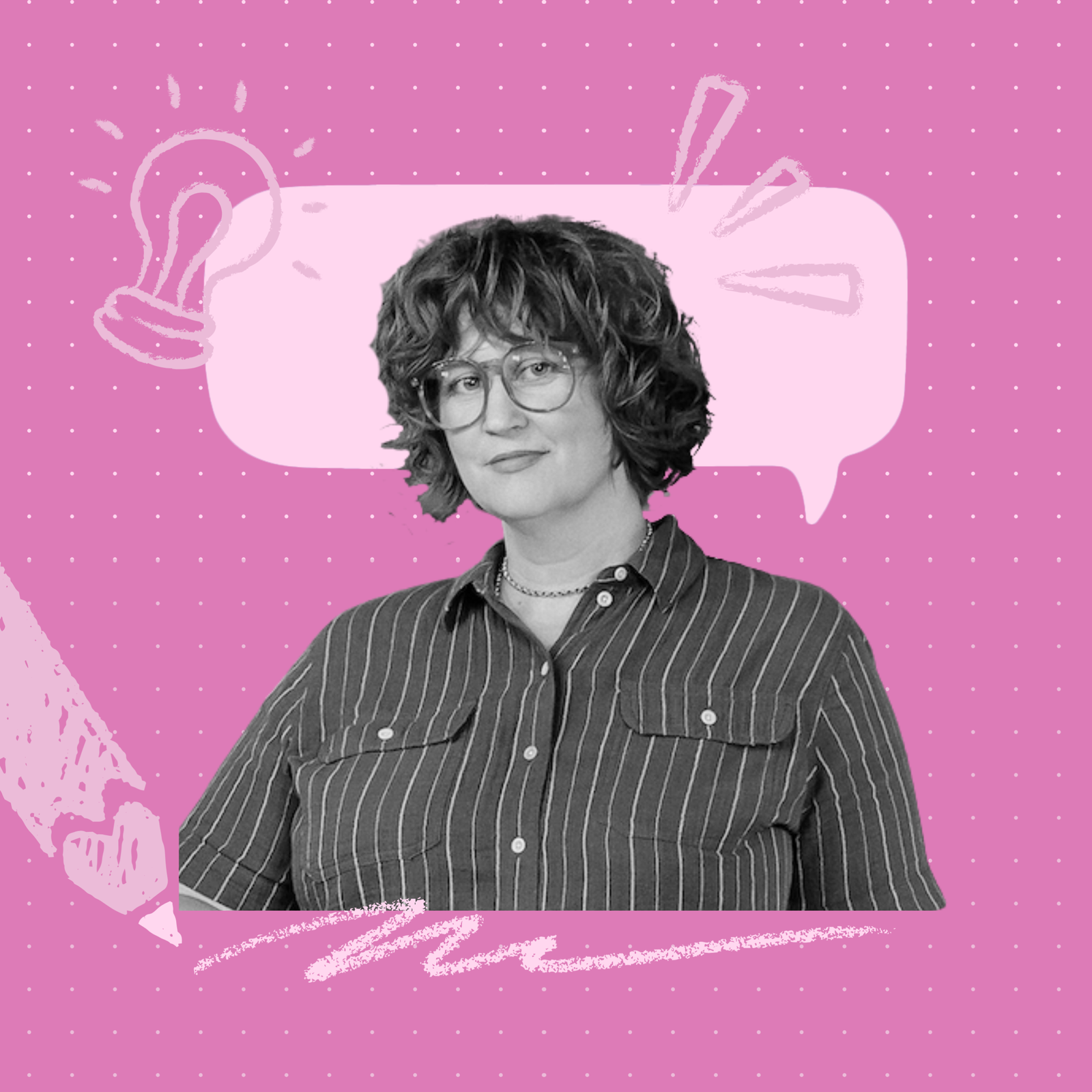
    Ethan Gilsdorf is a writer, teacher, performer, and a huge nerd. A sharp, funny instructor, Ethan is the author of the award-winning memoir Fantasy Freaks and Gaming Geeks. His work appears in the New York Times, Washington Post, Esquire, Wired, O,Oprah Magazine, Huffington Post, Brevity, Electric Literature, Poetry, and The Southern Review and has been named twice as “Notable” in Best American Essays. 

    Noted for his thoughtful, generous and encouraging feedback, Ethan teaches at GrubStreet, where he leads the Essay Incubator program; at LitArts RI and Craft Talks; is on the faculty of Solstice MFA Program at Lasell University; and teaches anyone how to play Dungeons & Dragons. 

    Schedule

    Week 1 

    • First class orientation: introductions, logistics, class expectations and class “citizenship”
    • Syllabus, workshop schedule and methods
    • Narrative vs non-narrative forms; List, Instructional/“How to” 
    • In class exercises: Begin your “How to” instructional form essay.

    Week 2

    • Assignment due: “How to” instructional form essay for workshop
    • Workshop: small group workshops of “How to” instructional form essay
    • “Object correlative”; Single moment, one-sentence/“run on” lyric flash forms
    • Hermit crab forms
    • In class exercises: One-sentence scene/flash; hermit crab forms

    Week 3: 

    • Assignment due: Hermit crab form essay for workshop
    • Braided and fragmented forms
    • In class exercises: Braided/ fragmented forms

    Week 4 

    • Assignment due: any essay for workshop
    • Refrain flash essays
    • Point of view experiments
    • In class exercises: Refrain and Point of view forms
    • Next steps in your experimental form CNF/essay journey
    Testimonials from past students

    “My work is taken seriously in Ethan’s workshops, and I am taken seriously as a writer.”

    “What a master teacher.” 

    “This may be the best writing class I’ve ever taken.” 

    “You really are one of the best writing teachers I’ve had.”

    “I’m grateful beyond measure for the care that Ethan has taken in teaching us.”

    THE FINE PRINT

    We understand that life can get in the way of your plans. We want you to be able to get the most out of your course, and our refund policy is designed to balance your need for flexibility with our deadlines and obligations to our teachers.

    Before the first class, you may request a refund (less a $25 processing fee).

    After class begins, you may request a refund for the remaining value of the course (less a $25 processing fee). No credits or refunds will be available after the 2nd class.


    Questions? Please email Info@writingcraft.com

    Registration Info
    $530 Cost of Event

    Instructor

    Location