
- This event has passed.
WEBINAR | Call and Response: Writing Beginnings and Endings in Essays
May 13 @ 3:00 pm – 4:30 pm EDT
What tone to strike at the start? And how to shape an ending that responds? Learn how to make your essays move.
For Personal Essays
Essays sing. Beginning sentences open the tune—and connect to the endings in how the song ends. An essay’s opening says something about what the writer wants to explore through different lenses or truths. The beginning can nail the “what,” the essence of an essay’s quest, through an image or inflection or voice or rhythm of language (“It was the best of times, it was the worst of times”).
Essays move. Writers listen for a change—a mini-epiphany, an angle through the mind’s eye that frames in a fresh way, or a phrase like prayer in structure and sound. What might the last line say in response to the first? If beginnings and endings are siblings, what is the connection that links them? How might the closing not just echo the opening but instead extend it, go beyond what’s there?
In this practice-driven webinar (be ready to write), Jonathan Callard will guide you through possibilities in shaping strong openings and closings in essays and how they can work together to inspire movement and revelation in your work.
Can’t make it live? No worries—a replay will be available to all registrants.
In this webinar, you will:
- EXPLORE key elements of strong openings in essays and how to express them on the page.
- DISCOVER how closings can respond to openings to deepen a piece and ways to write strong closings.
- LEARN how beginnings and endings can work with a “what”—a tension/question—to create a transformative essay that pivots toward a change/shift, a “then.”
- PRACTICE writing your own openings and closings in real time, guided by exercises designed to unlock movement and revelation in your essays.
This webinar is ideal for writers who …
- feel stuck on how to begin or end their pieces
- want to play with structure of narrative or idea
- want to hone their essays to engage agents, editors, and readers
- want to understand how a central tension or question can guide an essay
Closed captioning is available. ✔
All registrants receive the recording. ✔
ABOUT YOUR PRESENTER

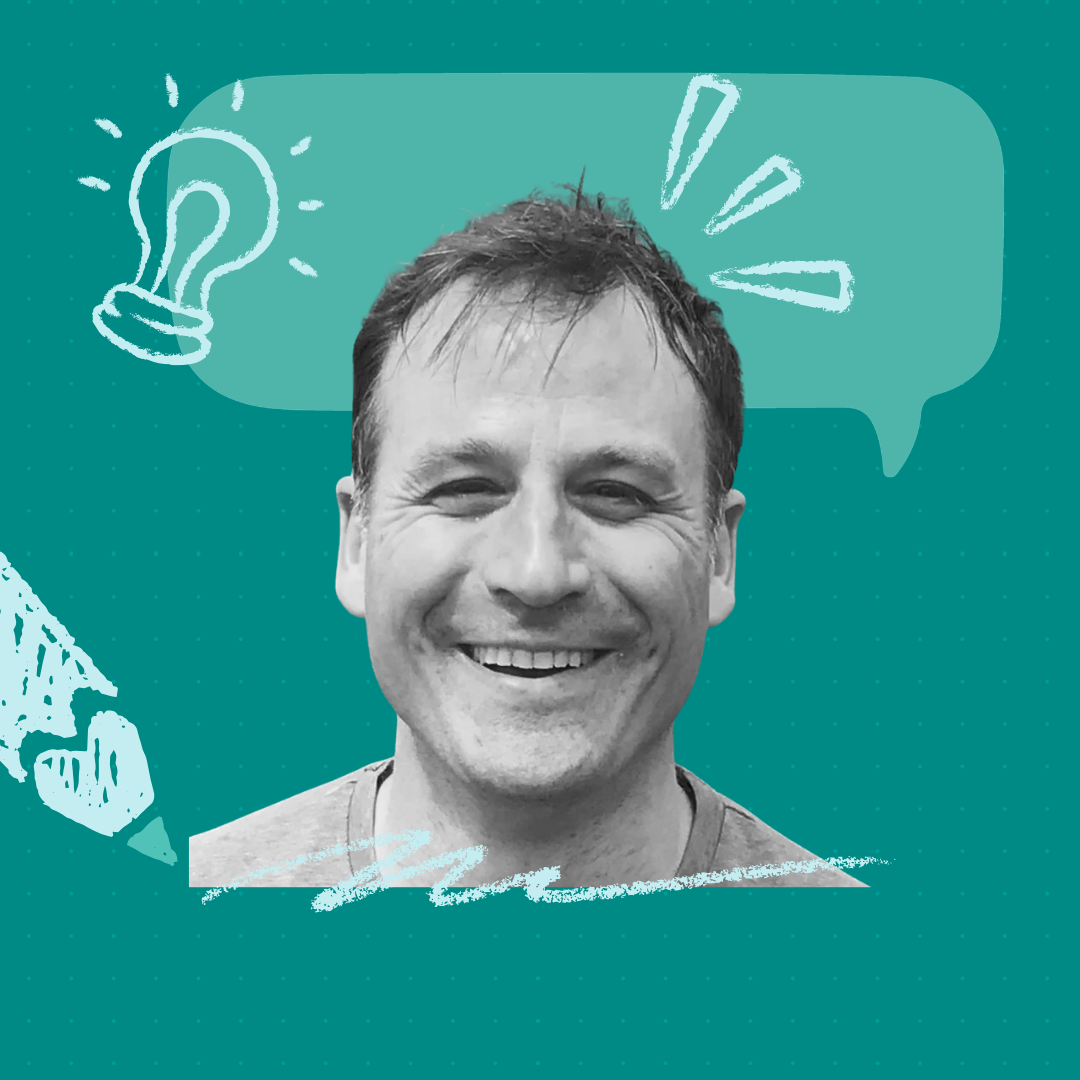
Jonathan Callard is a writer, editor, and teacher who helps writers shape stories and find their voice. The winner of the Prairie Schooner Creative Nonfiction Contest judged by National Book Award honoree Sarah M. Broom, his work has appeared in Prairie Schooner, PublicSource, Creative Nonfiction, Hotel Amerika, Gulf Coast, Image, the Pittsburgh Tribune-Review, Pittsburgh Magazine, Arts & Letters, and the Dallas Morning News, among others, and has earned fellowships from the Ragdale Foundation, the Virginia Center for the Creative Arts, and the Brush Creek Foundation for the Arts. Having previously taught for the Creative Nonfiction Foundation, he currently offers writer-mentoring services and also teaches for the University of Pittsburgh, where he received an MFA in nonfiction writing. He lives in Pittsburgh, Pennsylvania.
Questions? Please email Info@writingcraft.com
Before the replay is sent, you may request a refund less a $10.00 processing fee. For a refund, EMAIL us at info@WritingCraft.com. Canceling your Zoom invite will not initiate this process.